 Go Back
Young scientists from Central Asia gain practical experience in cryosphere research in Kyrgyzstan under the GEF–UNDP–UNESCO project
In August, the village of Kyzyl-Suu near Lake Issyk-Kul, Kyrgyzstan, hosted the International Summer School, organised for the fifth consecutive year by the Tien Shan International Scientific Center (TSISC). The School aims to strengthen the scientific capacity of Central Asian countries in the study of snow, ice, and water resources.
The School was supported by the regional GEF–UNDP–UNESCO Cryosphere Project, which promotes the development of scientific knowledge and practical skills in the assessment of glacio-nival systems.
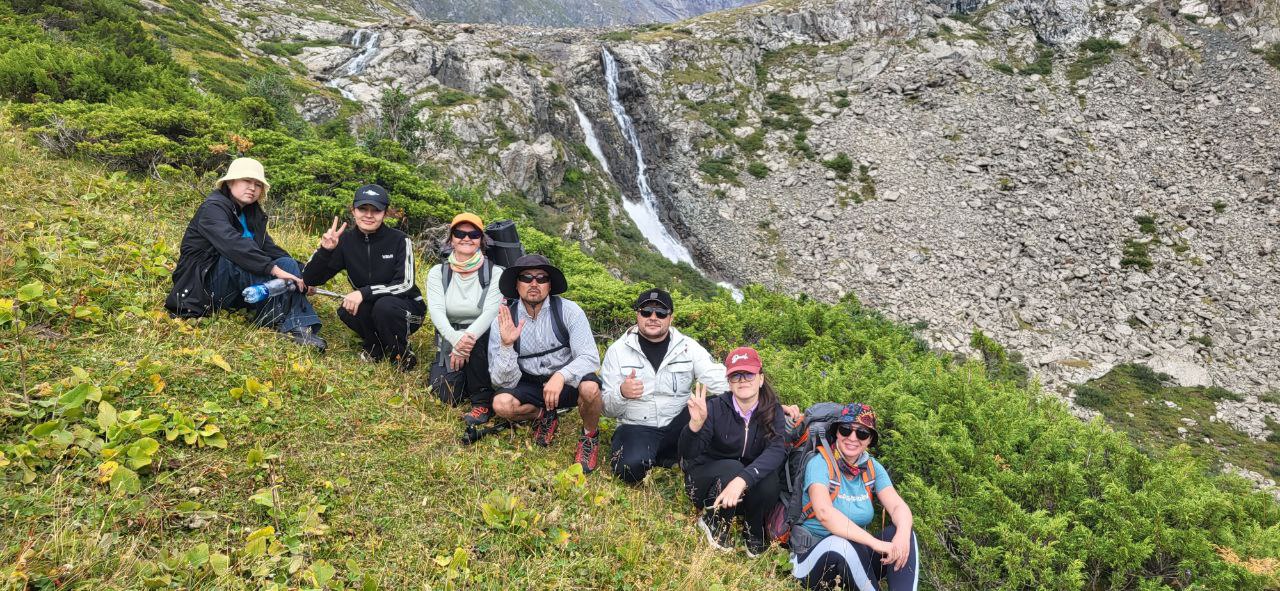
This year, 35 young specialists, master’s students, and early-career researchers from Kazakhstan, Kyrgyzstan, Tajikistan, Uzbekistan, as well as from the Russian Federation, Belgium, and Japan took part. Participants represented scientific institutes, universities, hydrometeorological services, and water agencies of the region.
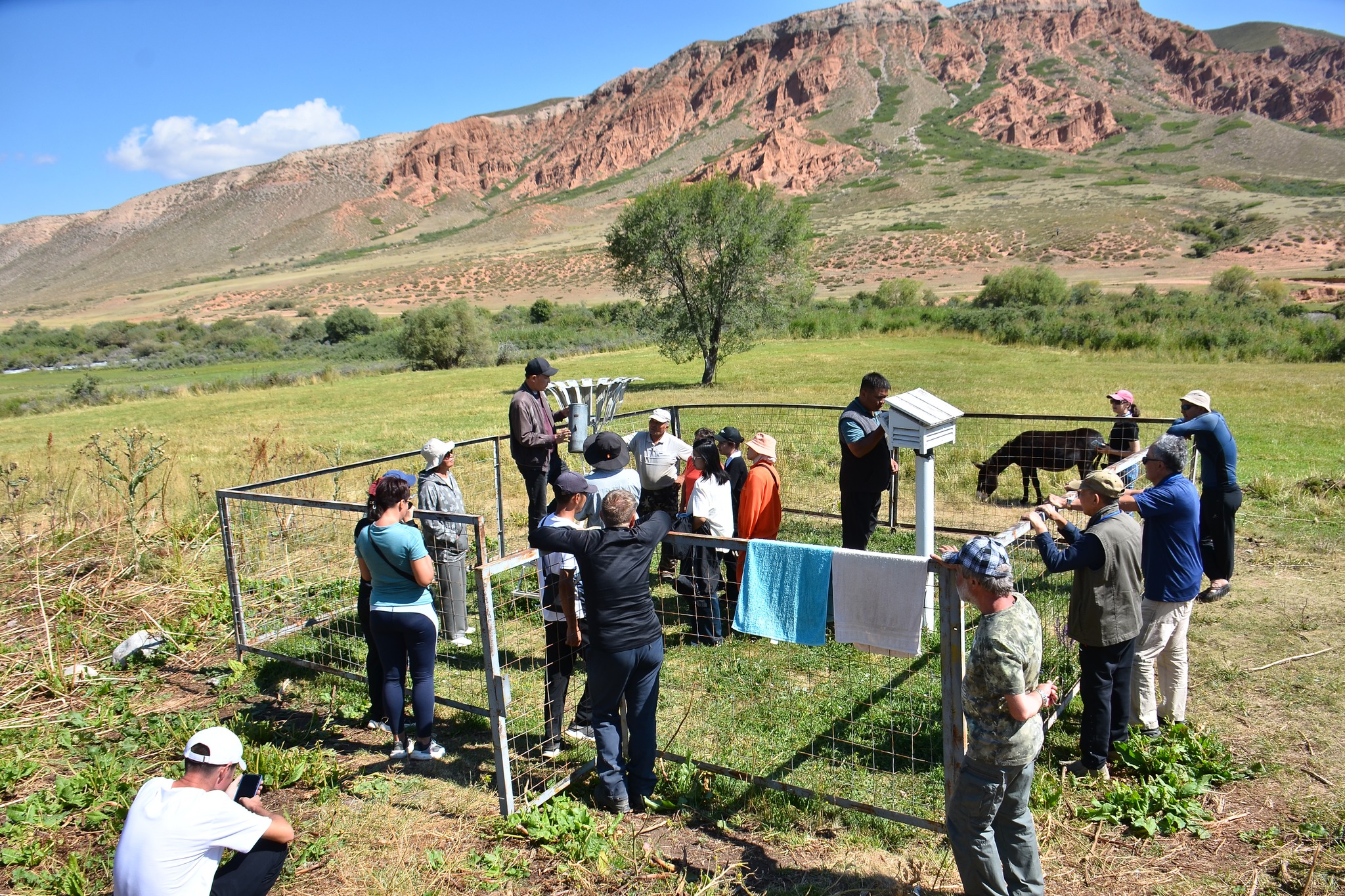
From 4 to 11 August, the programme combined scientific lectures with hands-on training. Participants visited the lake research station on the Kara-Bulun peninsula, where they learned about the history of hydrological observations on Lake Issyk-Kul, the reasons behind lake-level fluctuations, and the role of local stations in international research. They then travelled to the Chon-Kyzyl-Suu hydrometeorological station (2 550 m a.s.l.), where specialists demonstrated the operation of analogue and automatic meteorological stations, river discharge measurements, and elements of the observation network.
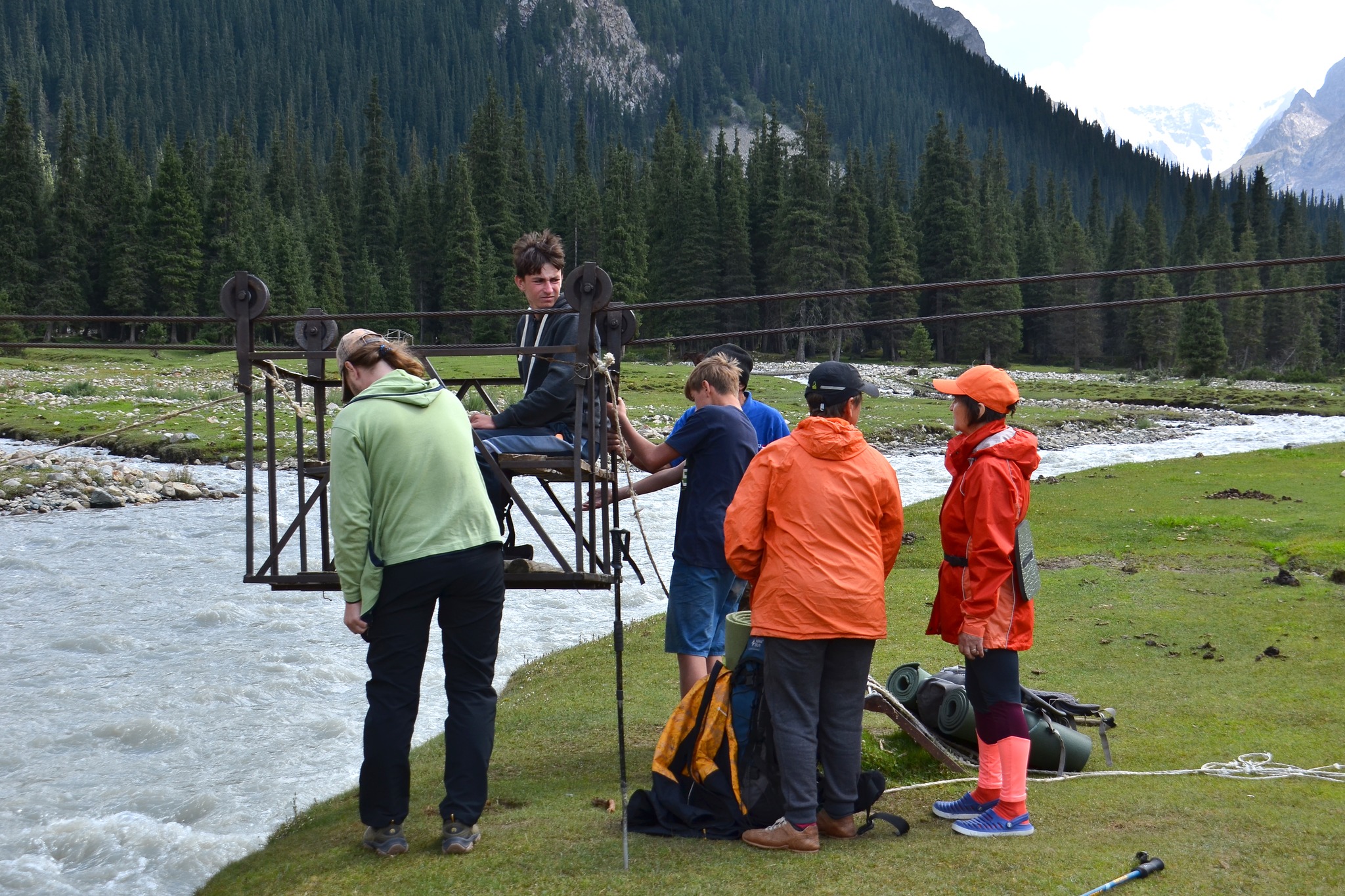
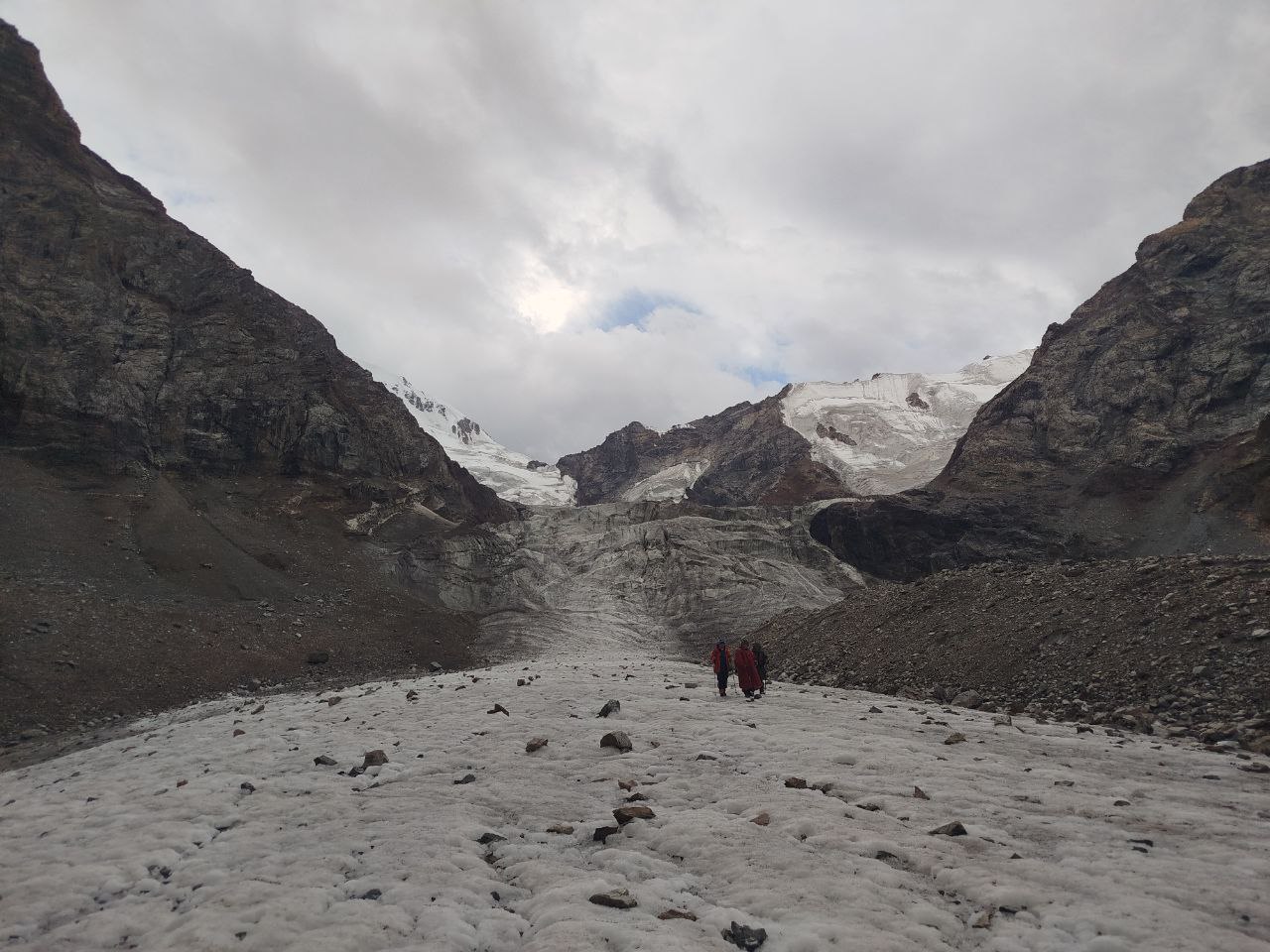
A key component of the School was a two-day field trip to the Kara-Batkak Glacier. Under the guidance of experts from TSISC, the Institute of Water Problems of the Russian Academy of Sciences, Kyoto University, Vrije Universiteit Brussel, and the Central Asian Regional Glaciological Centre, participants learned glacier monitoring methods, including GPS surveying, ablation measurements, stake installation, and elements of remote sensing.
According to the organisers, the practice-oriented format remains the School’s main strength. Svetlana Lebedeva, Scientific Secretary of the Institute of Water Problems and Hydropower of the National Academy of Sciences of the Kyrgyz Republic, noted that many participants had little or no field experience, and the School allowed them to see cryosphere research firsthand and apply theoretical knowledge in real conditions. She also highlighted the high level of interest in the field, including among women who increasingly choose professions related to glaciology, hydrology, and mountain research.
Participants emphasised that working on the glacier helped them better understand field measurement techniques and their relevance for assessing the state of water resources and the regional climate. Maria Severenko, Acting Head of the Center for Environmental Research at the Institute of Nuclear Physics (Kazakhstan), shared:
“This was an invaluable experience: GPS surveying, stake installation, ablation measurements. We gained a clear understanding of the demanding work carried out by glaciologists to collect essential data on glacier conditions.”
For some participants, such as Begaim Erkinbek kyzy from Kyrgyzstan, this was their first time visiting a glacier. Begaim is the youngest participant of the School, a fourth-year student at the Kyrgyz State Technical University specialising in water resources and water use. Inspired by the new knowledge and practical experience she gained, she noted that the School strengthened her interest in pursuing work in water resources and climate research.
"I hope to become one of the examples for young women who choose this field, because we are contributing to a better future,” she shared.
Supported by the project, the Summer School contributed to preparing a new generation of specialists capable of working in a changing climate and advancing cooperation to strengthen the resilience of mountain ecosystems in the region.