 Go Back
For the first time, Tajikistan's scientists measure winter accumulation on Pamir glaciers
For the first time in the history of independent Tajikistan, scientists have conducted direct field measurements of the winter mass balance of glaciers in the high-mountain Pamir region. The expedition marks an important step towards building a more complete and long-term glacier monitoring system in the country.
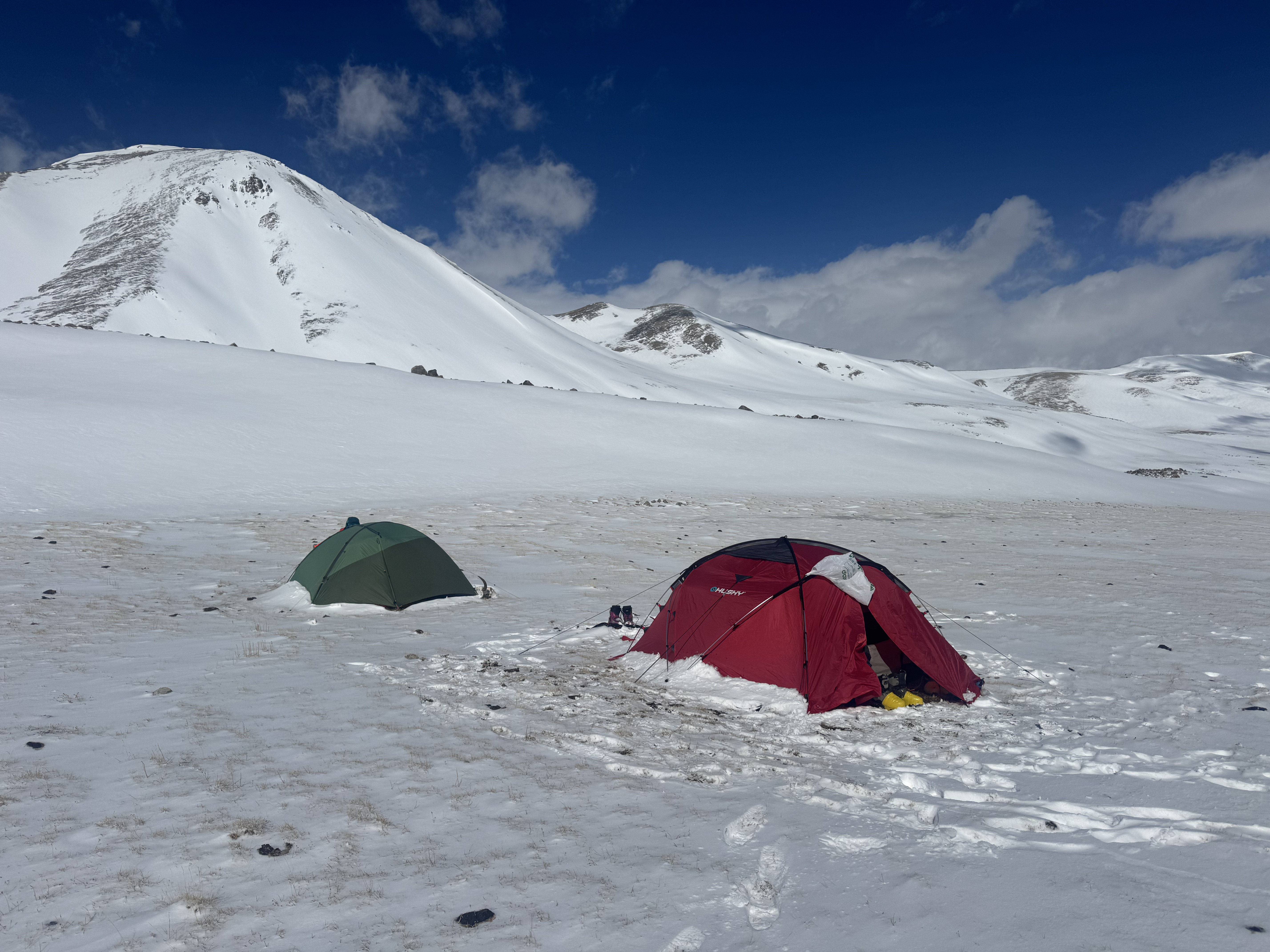
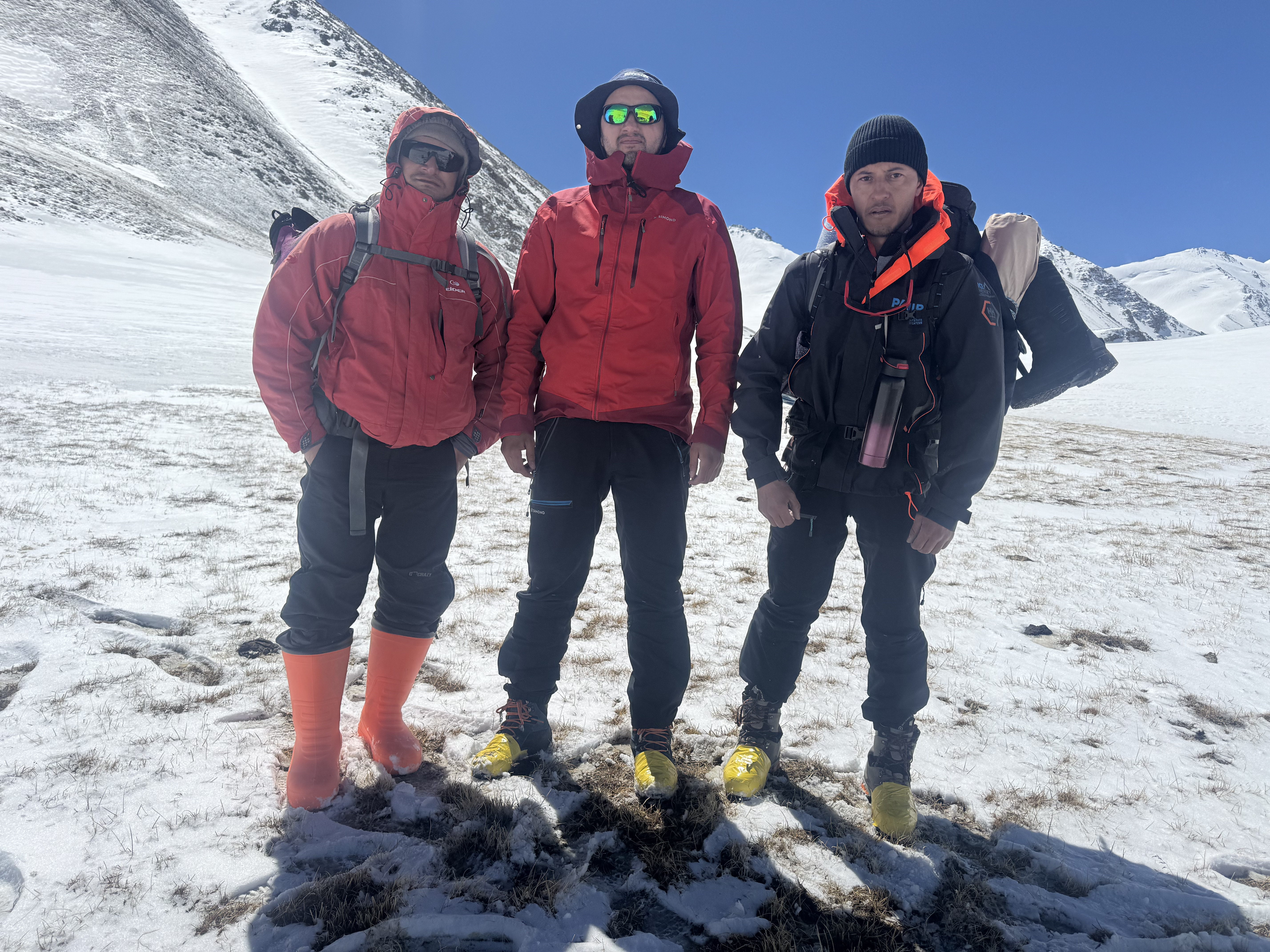
The field mission took place from 6 to 15 May 2026 on Glacier No 457 in the Gunt River Basin. It was conducted in collaboration with specialists from the Mountain Societies Research Institute of the University of Central Asia, with support from the GEF-UNDP-UNESCO Cryosphere Project.
Until now, glacier monitoring in Tajikistan has largely focused on general glacier dynamics, summer melting processes and remote sensing-based assessments. While these methods provide essential information, they do not fully capture how much snow and ice a glacier receives during winter.
“Winter snow accumulation represents a fundamental component of a glacier’s annual mass balance and serves as a key indicator of its long-term sustainability. These observations allow us to evaluate whether seasonal snowfall is sufficient to offset mass losses during the melt season. Long-term monitoring of accumulation patterns also improves our understanding of climate variability, shifts in precipitation regimes, and the response of mountain glaciers to ongoing climate change,” – explains Hofiz Navruzshoev, scientist from the Mountain Societies Research Institute.
For Central Asia, this data is vital, as glaciers are among the most important freshwater reservoirs in the region.
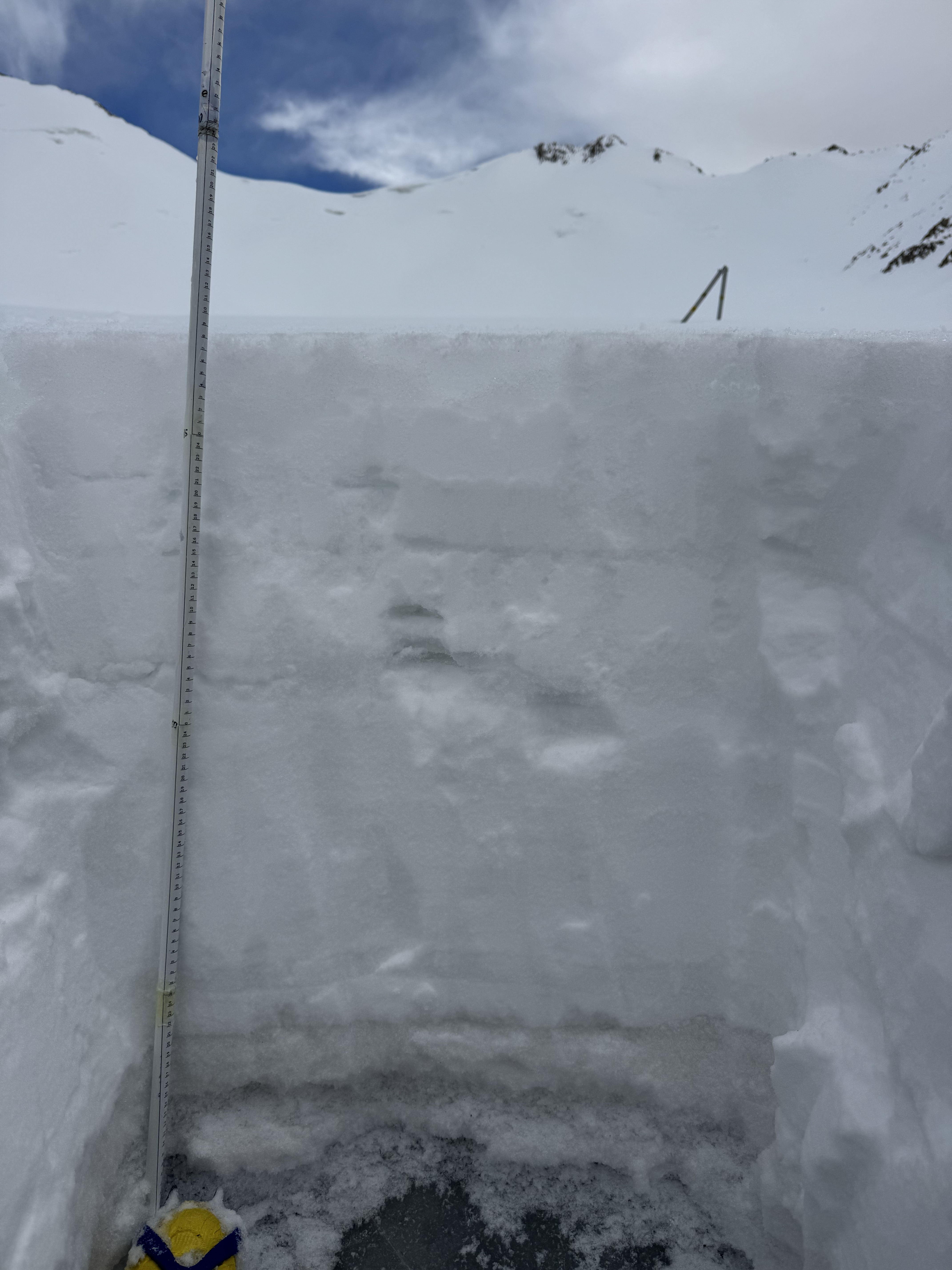
The field measurements, carried out across Glacier No 457, included around 60 snow-probing measurements; excavation and analysis of five snow pits across different elevation zones; measurements of snow depth and density; analysis of snow stratigraphy; and assessment of how snow accumulation varies across the glacier surface.
Hofiz explains that these measurements revealed pronounced spatial variability in snow accumulation, even across relatively short distances, which means that at any point of the glacier the snow accumulation can vary drastically and might not be comprehensible by vision alone. This finding highlighted the critical importance of direct observations, as such heterogeneity remains difficult to quantify using remote sensing alone and can substantially influence estimates of glacier mass balance and seasonal water storage.
The data collected during the expedition will support the development of a long-term glacier mass balance monitoring system in Tajikistan. It will also contribute to improving the national cryospheric database and increasing the accuracy of projections related to future changes in water resources.
This is particularly important for Tajikistan and the wider Central Asian region, where glaciers play a critical role in sustaining river flows, ecosystems, agriculture, hydropower and livelihoods. As climate change continues to affect the cryosphere, reliable field data are essential for informed decision-making and adaptation planning.
The first comprehensive assessment of winter mass balance on Glacier No 457 represents an important scientific and methodological achievement for Tajikistan. Through the GEF-UNDP-UNESCO Cryosphere Project, such initiatives contribute to a broader regional effort to strengthen national and regional monitoring capacity and develop the scientific knowledge needed for climate adaptation and sustainable water resource management in Central Asia.