 Go Back
Pilot project on glacier geotourism launched in Uzbekistan
Uzbekistan has launched a pilot demonstration project to study and develop the geotourism potential of glacial sites in the Chirchik-Ahangaran river basins. The initiative is implemented under the GEF-UNDP-UNESCO Cryosphere Project and brings together cryosphere research and the development of sustainable tourism.
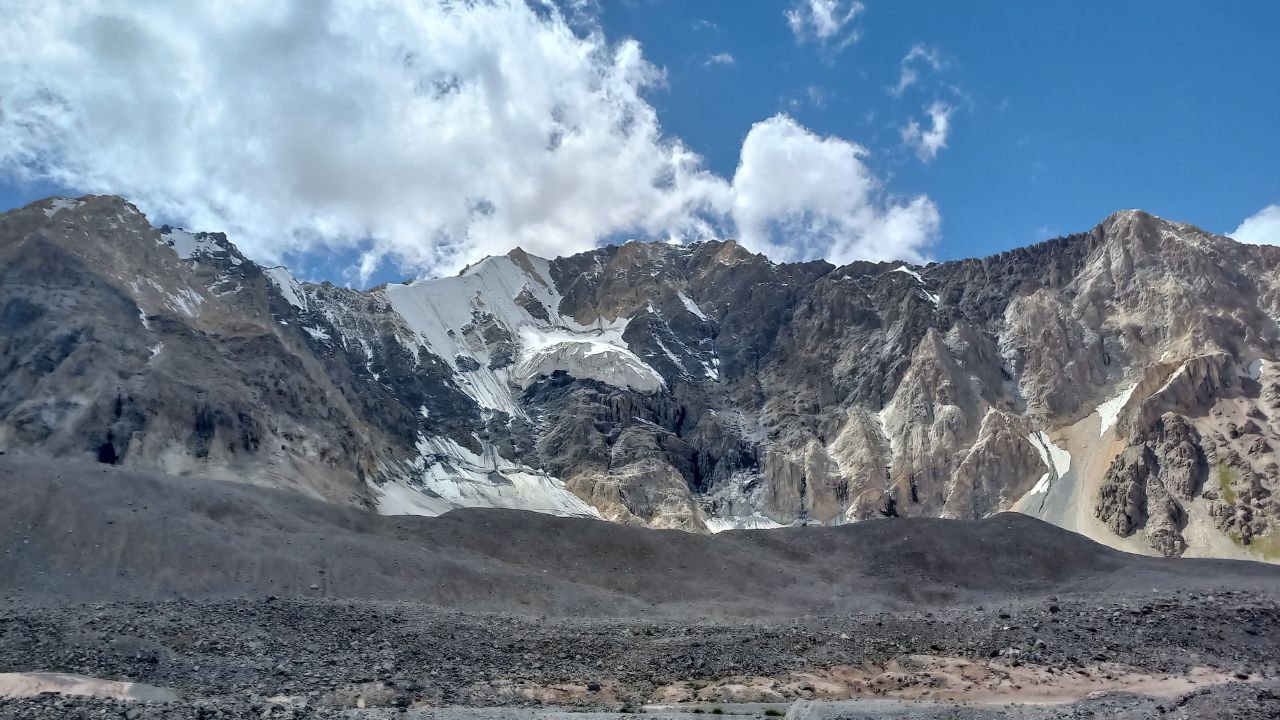
Glacier systems in Central Asia shape unique mountain landscapes and hold important information about the region’s climate past and present-day changes. In the context of climate change, these areas are important not only for science, but also for education, helping to better understand the role of the cryosphere in water security, ecosystems and regional development.
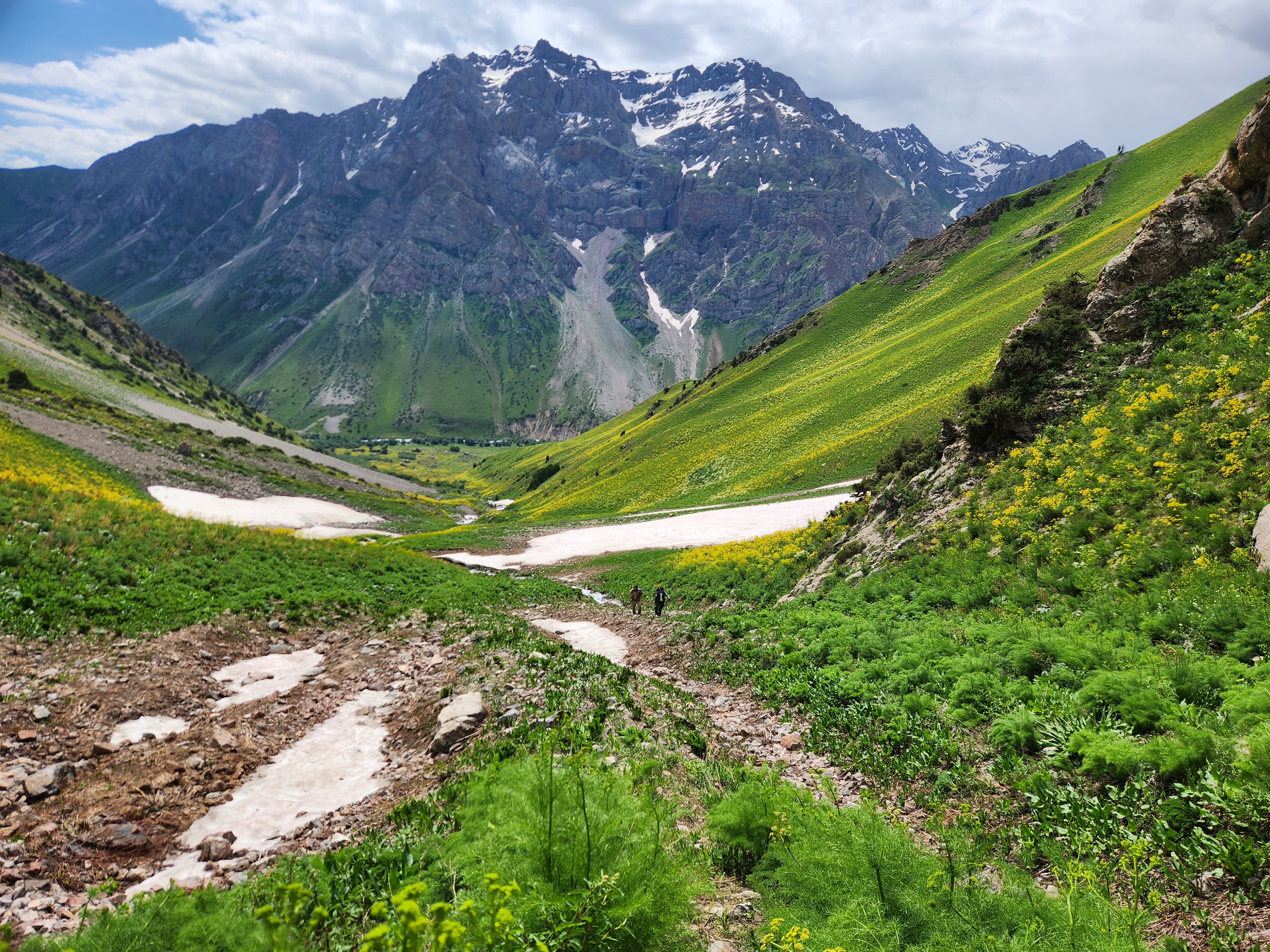
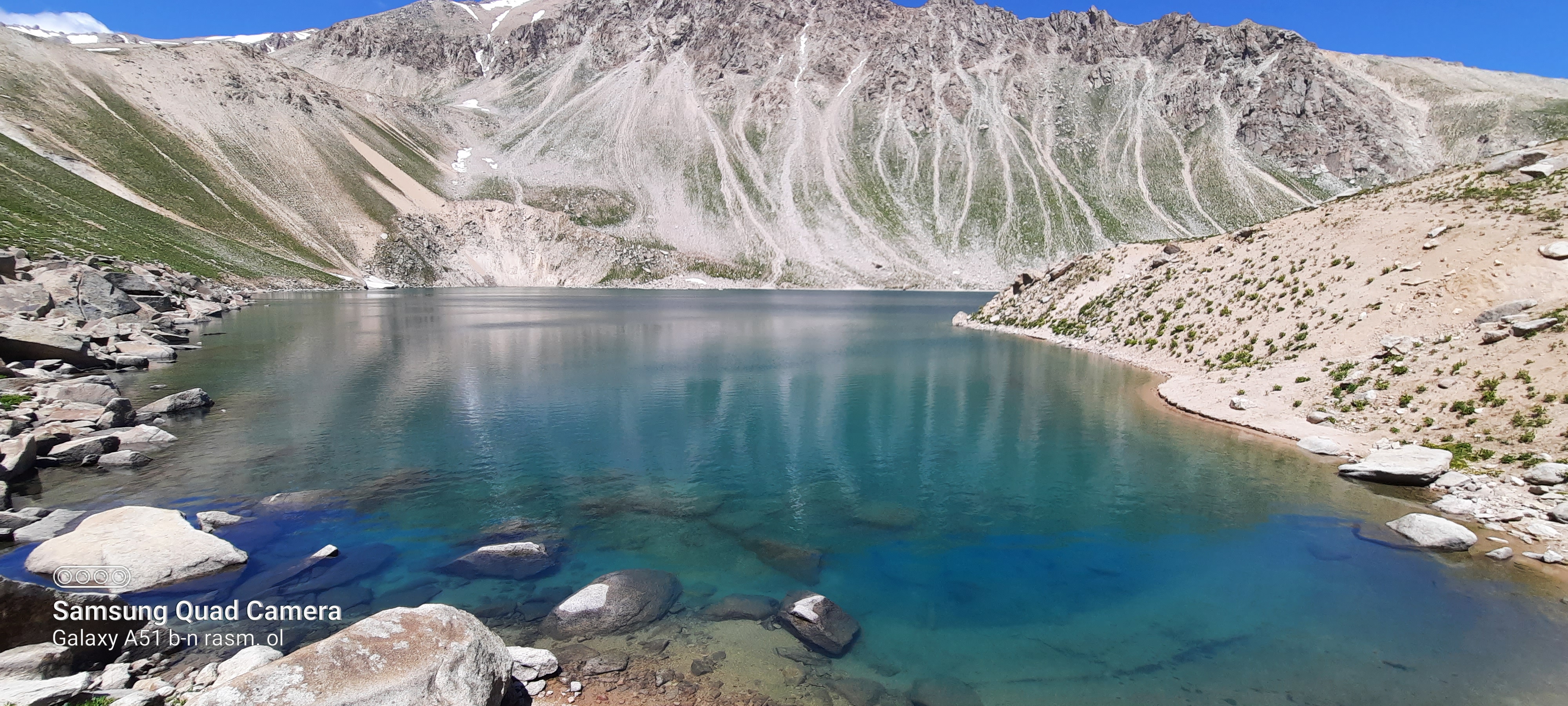
The pilot project will cover the Barkrak and Tekeshsay glacial valleys, as well as the Arashan lake system. These areas will be studied in terms of their scientific, educational and tourism value. Based on field research, geospatial data and analysis of glacier dynamics, pilot geotourism routes will be developed with scientific interpretation of glacial landforms, moraines, valleys and paleoglaciological features.
The demonstration project is implemented by the Hydrometeorological Research Institute under Green University. Specialists from the National University of Uzbekistan named after Mirzo Ulugbek and the Centre for Glacial Geology under the H.M. Abdullaev Institute of Geology and Geophysics will also be involved.
As part of the project, analytical materials will be prepared, field research will be conducted, hydrological and meteorological data will be collected, maps of glaciation and the hydrographic network will be developed, and schemes of glacial landforms and geotourism routes will be prepared. Particular attention will be given to creating information materials for tourists, students, researchers and local communities.
The practical component of the project also includes the development of pilot excursion programmes with the participation of guides, students and researchers. This will help test the routes, improve excursion content and make scientific information more accessible to a wider audience.
The project is aimed not only at developing new tourism opportunities, but also at strengthening links between science, local communities and organizations working in the tourism sector. To support long-term cooperation, a partnership mechanism is planned between research institutions, tour operators and local authorities.
The results of the pilot project can provide a basis for the further development of scientific and educational geotourism in Uzbekistan and other countries of Central Asia. The project also supports the objectives of the Joint Subregional Action Programme by contributing to cryosphere monitoring, data exchange, the development of recommendations and the dissemination of knowledge about the importance of glaciers in the context of climate change.