 Go Back
Central Asian countries strengthen cooperation on the cryosphere at RES 2026
Central Asia is experiencing accelerated glacier melt. Under a high-emissions scenario (SSP5-8.5), the region could lose up to 85% of its glacier volume by 2100 compared to 2020 levels. This increases pressure on water resources, infrastructure and communities, while also heightening the risk of natural hazards, including glacier lake outburst floods. As these processes are regional in nature, they require coordinated responses across countries.
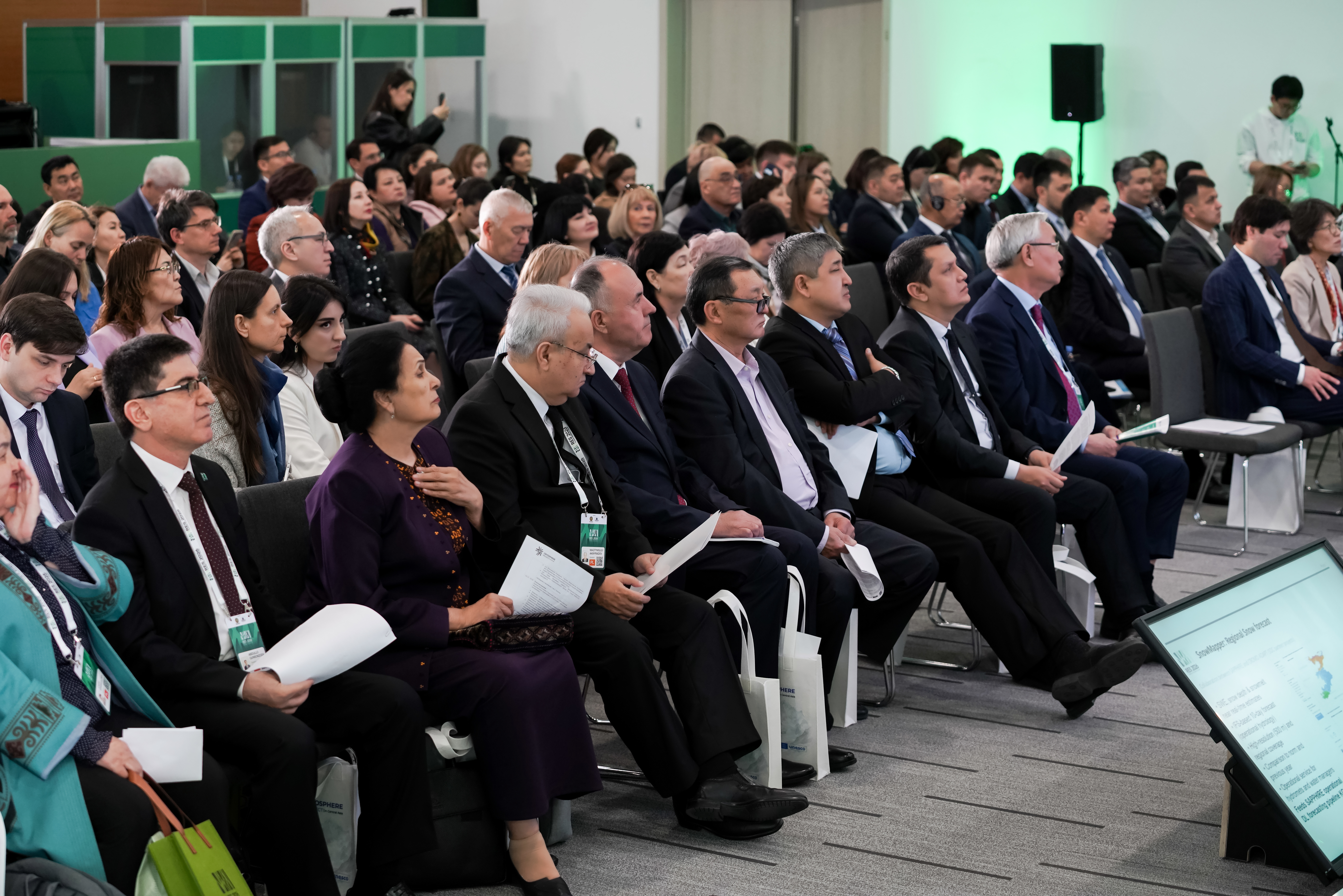
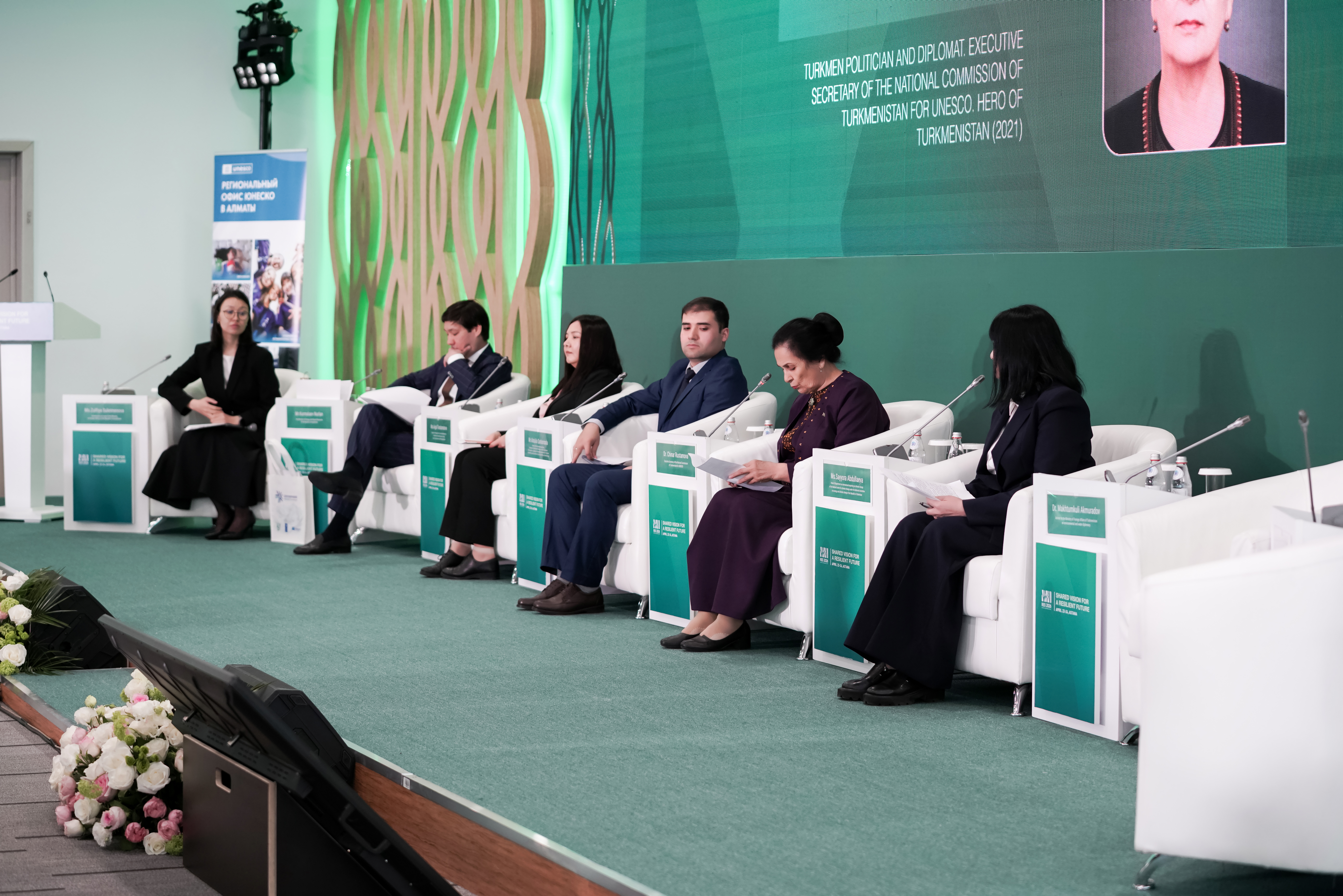
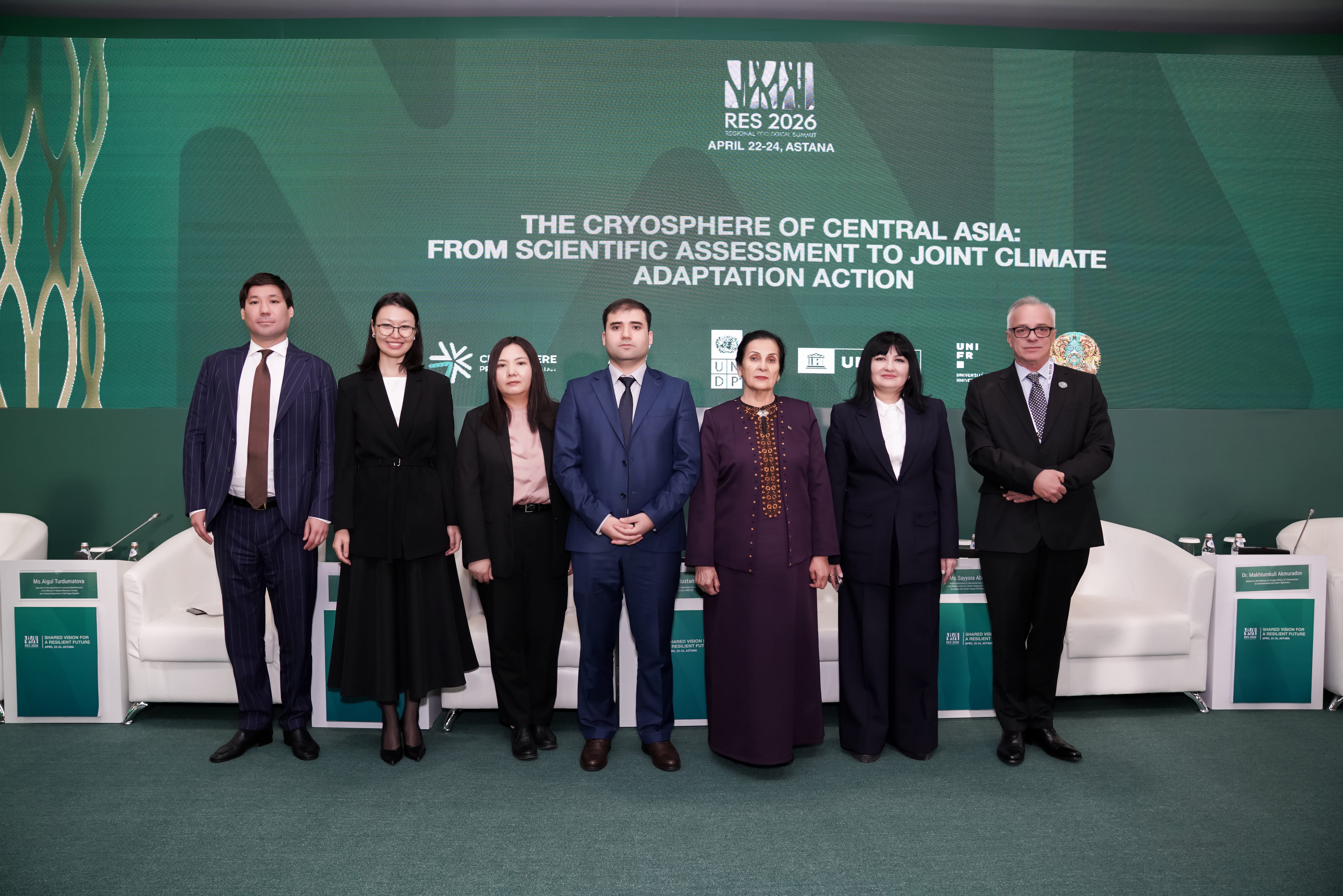
In response to these challenges, the UNESCO Regional Office in Almaty organized the session “Cryosphere of Central Asia: from scientific assessment to joint climate adaptation action” during the Regional Ecological Summit (RES 2026) in Astana, in cooperation with the Ministry of Ecology and Natural Resources and the Ministry of Science and Higher Education of the Republic of Kazakhstan. The session was held within the framework of the GEF–UNDP–UNESCO Cryosphere Project and in collaboration with Central Asian countries.
A key outcome of the session was the discussion of the Joint Subregional Action Programme (JSAP) on the cryosphere — a framework document developed by Central Asian countries with the support of UNESCO, aimed at strengthening regional cooperation in monitoring and research of glaciers, snow cover and permafrost, as well as aligning approaches to climate change adaptation.
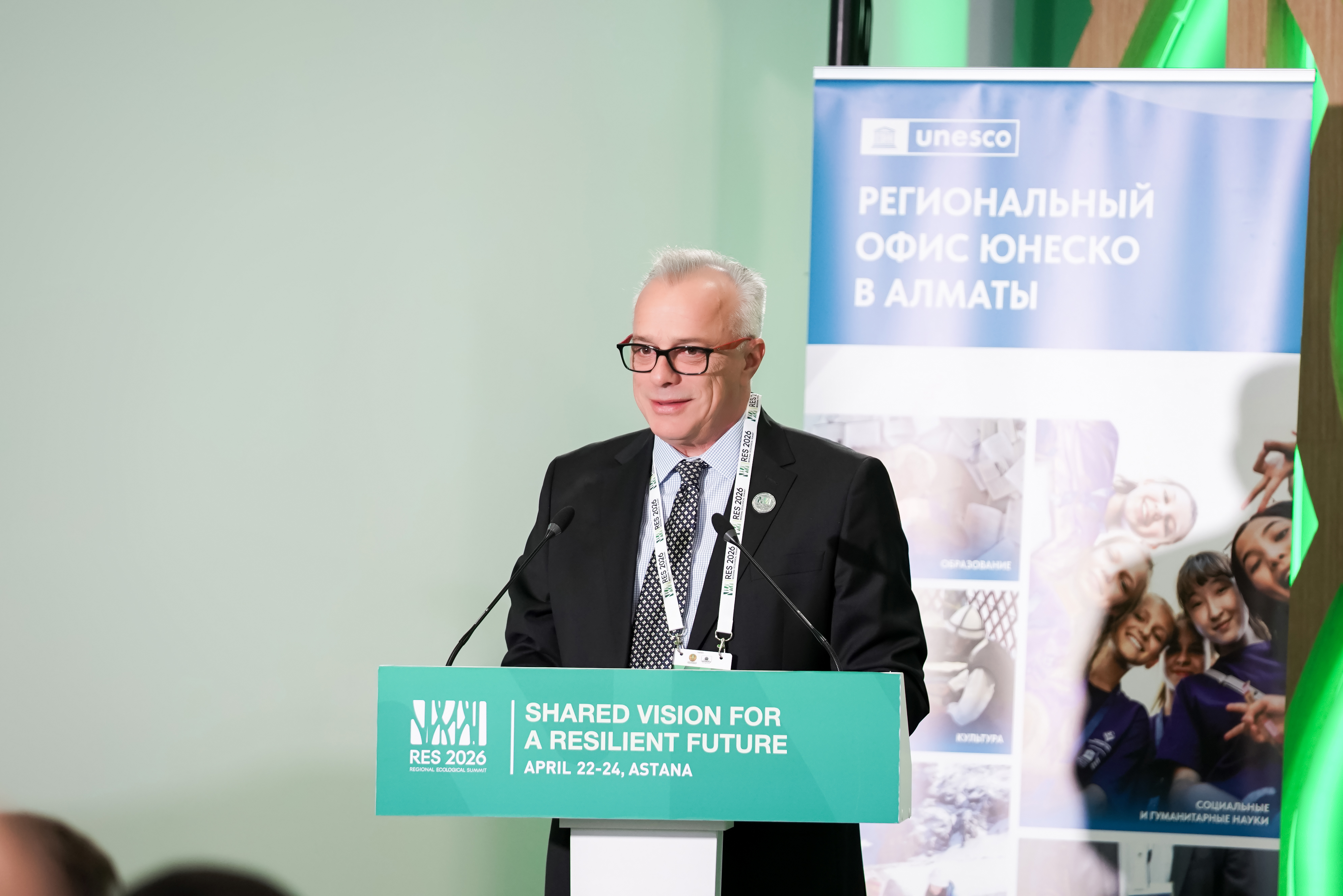
“UNESCO has been actively supporting Central Asian countries in strengthening the scientific basis and advancing regional cooperation on the cryosphere. Today, the key priority is to move from scientific assessment to concrete action. The Joint Subregional Action Programme provides a practical framework for this transition and enhances coordination of adaptation efforts across the region,” said Mr Amir Piric, Director of the UNESCO Regional Office in Almaty.
At the conclusion of the session, on behalf of the heads of relevant government authorities from Kazakhstan, Tajikistan, Turkmenistan and Uzbekistan responsible for environmental protection a Joint Statement was issued in support of the implementation of the JSAP, reaffirming their commitment to strengthened regional cooperation.
“Today it is clear that no country can effectively address climate change challenges alone. Regional cooperation is therefore essential. The Joint Statement reflects the readiness of Central Asian countries to join efforts and develop coordinated approaches to climate change adaptation,” said Mr Nurlan Kurmalayev, Vice Minister of Ecology and Natural Resources of the Republic of Kazakhstan.
The JSAP provides a foundation for coordinated action among countries and partners, defines cooperation priorities and supports the advancement of climate adaptation measures in the region. The Joint Statement also opens opportunities for mobilizing funding from various sources, including donors, international financial institutions and the private sector.