 Go Back
GEF-UNDP-UNESCO Cryosphere project handed over VR-equipment to Uzbekistan
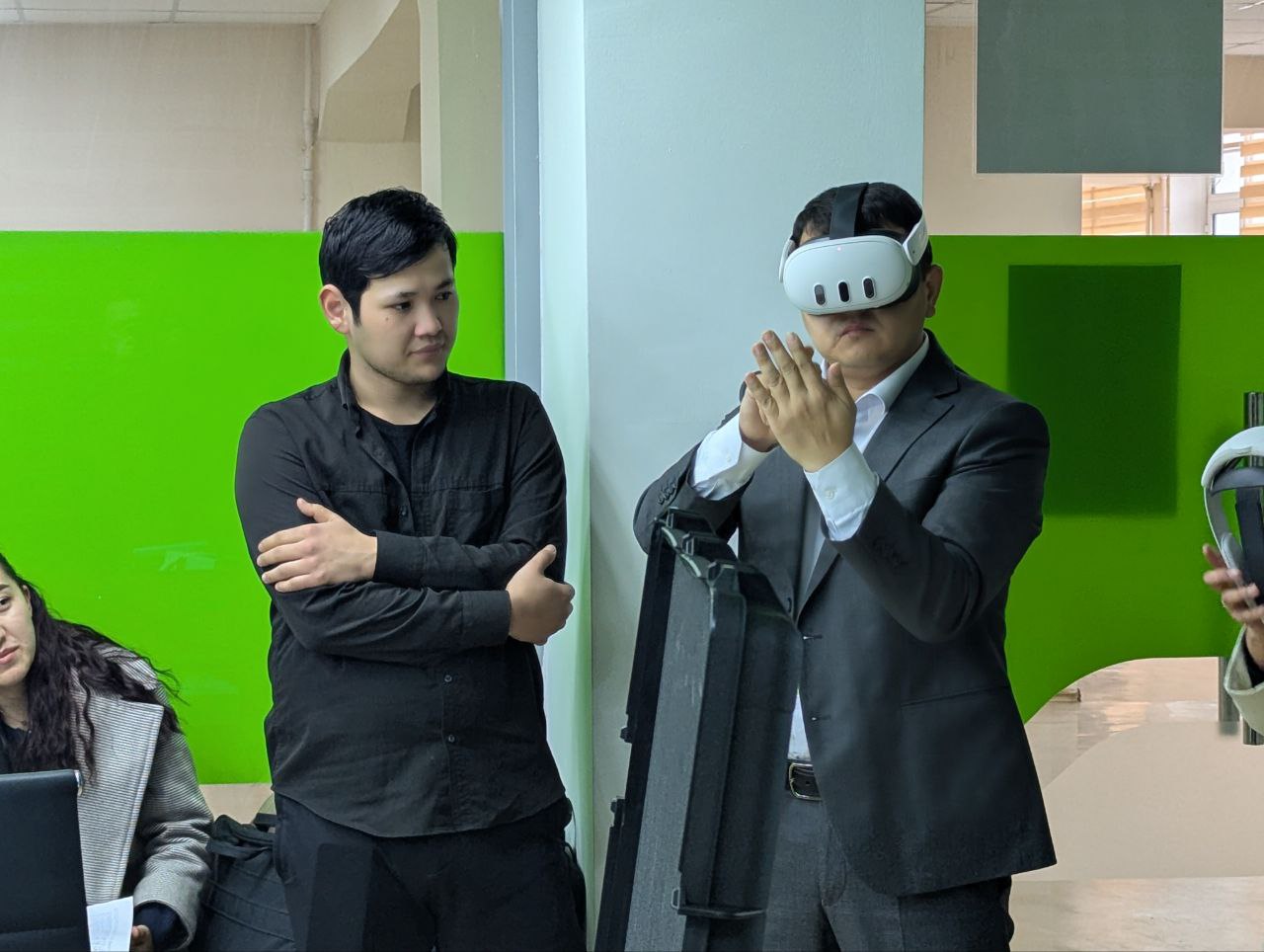
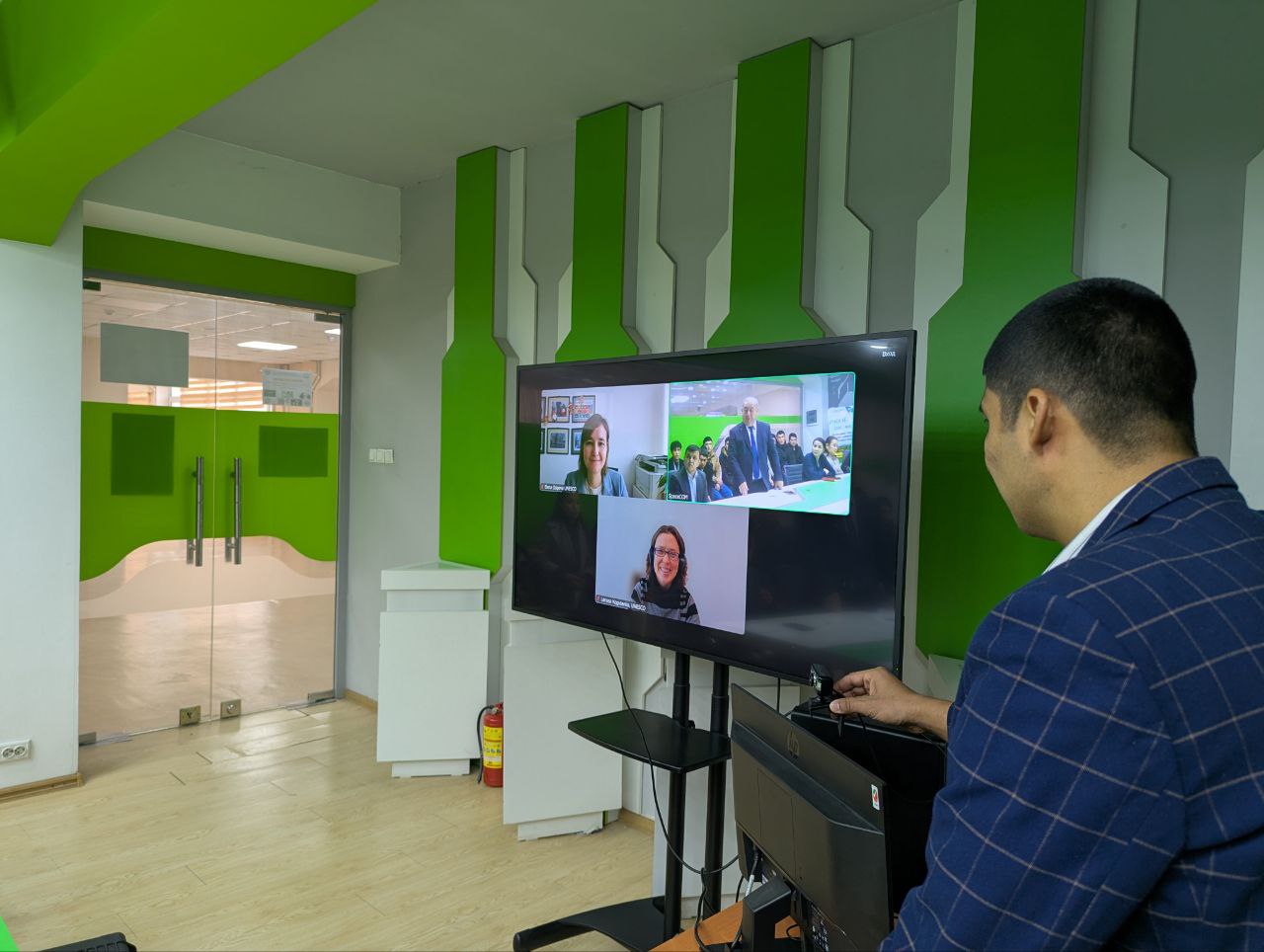
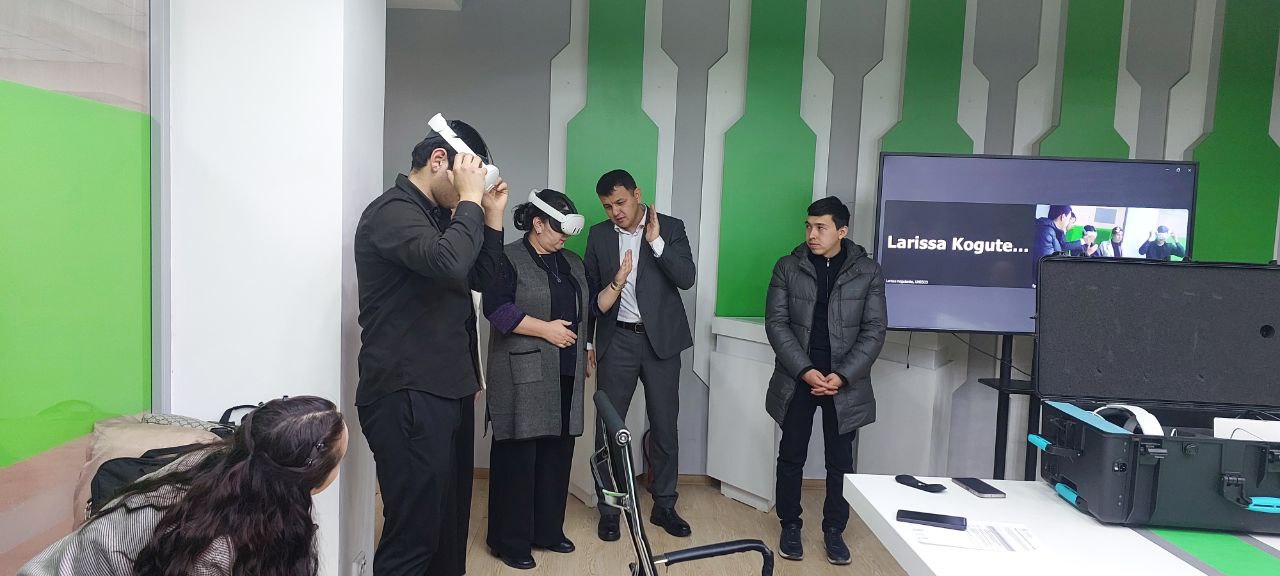
On 28 January 2026, the UNESCO Regional Office in Almaty handed over virtual reality equipment to the National University of Uzbekistan named after Mirzo Ulugbek within the framework of the GEF–UNDP–UNESCO project “Strengthening the Resilience of Central Asian Countries by Enabling Regional Cooperation to Assess Glacio-nival Systems to Develop Integrated Methods for Sustainable Development and Adaptation to Climate Change” (the Cryosphere Project).
The equipment set includes three VR headsets with educational content and a tablet with additional materials. The equipment will allow students to explore Central Asian landscapes virtually and better understand the role of glaciers in water supply, hydropower, and agriculture, as well as the associated natural risks. The use of virtual reality helps to clearly illustrate cryosphere processes and the impacts of accelerated glacier melt.
The equipment was handed over to the Faculty of Physics, Department of Land Hydrology and Meteorology, where the VR set will be managed by Oyjamol Kholtojiyeva. The University plans to use the equipment for educational purposes and public outreach, including demonstrations for students and the wider public.
About the project
The project “Strengthening the Resilience of Central Asian Countries by Enabling Regional Cooperation to Assess Glacio-nival Systems to Develop Integrated Methods for Sustainable Development and Adaptation to Climate Change”, funded by the GEF through UNDP and implemented by UNESCO, aims to address key climate challenges related to changes in the cryosphere, including glaciers, permafrost, and snow cover. These changes have a significant impact on the region’s water resources, which are critical for livelihoods, agriculture, and energy production. The project promotes strengthened regional cooperation and the joint development of climate change adaptation strategies.