Go Back
Central Asian Experience in Strengthening Regional Cooperation on Cryosphere Issues Presented at the 11th International Waters Conference
Bali, Indonesia | 19–22 October 2026
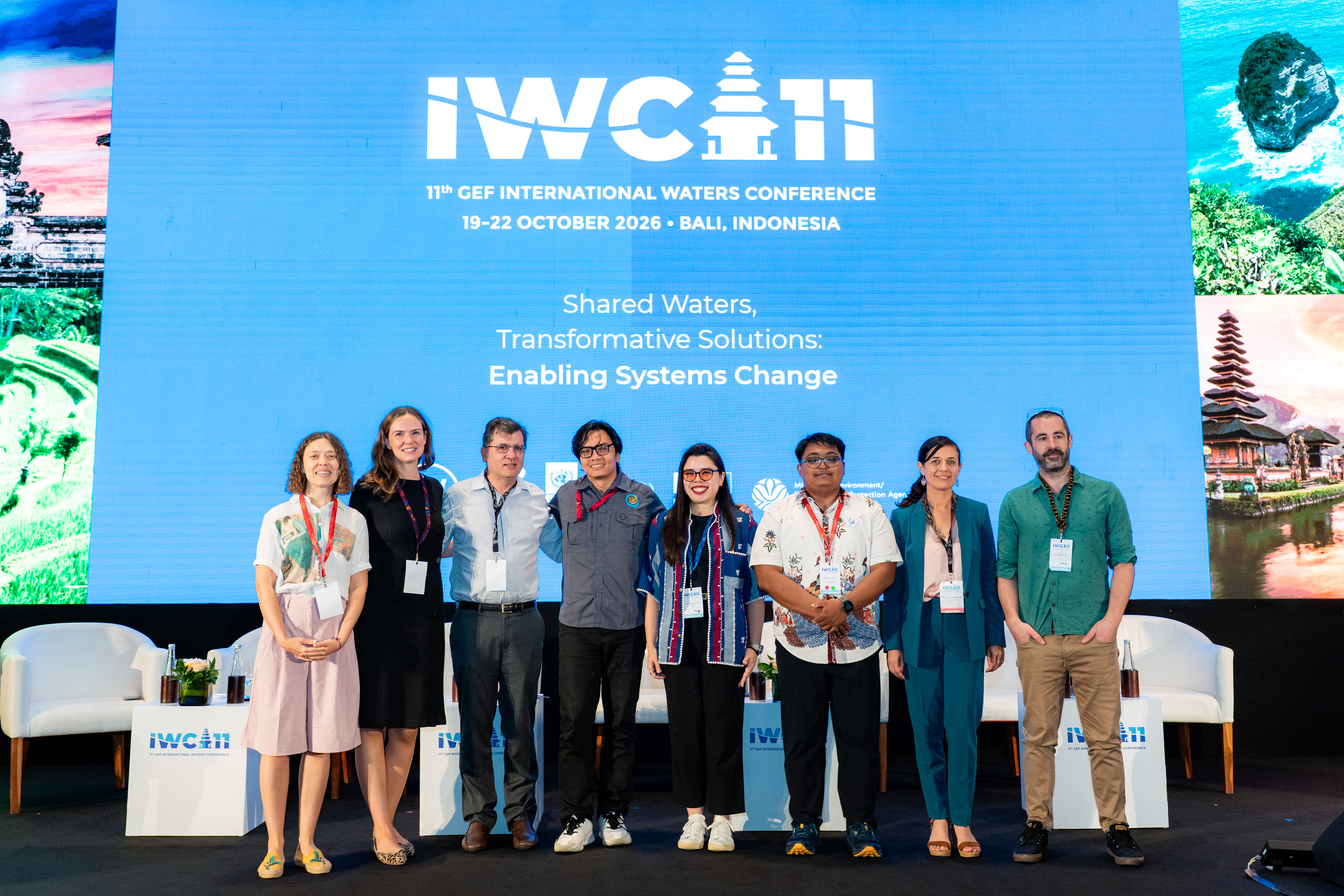
The GEF–UNDP–UNESCO Cryosphere Project presented Central Asia’s experience in regional cooperation and cryosphere monitoring at the 11th International Waters Conference (IWC11), held on 19–22 October 2026 in Bali, Indonesia.
The conference brought together representatives of international organizations, government institutions, the scientific community, financial institutions and Global Environment Facility (GEF) project implementing agencies to discuss prospects for international cooperation in water resources management, sustainable financing and the implementation of environmental initiatives under the new GEF-9 programming cycle.
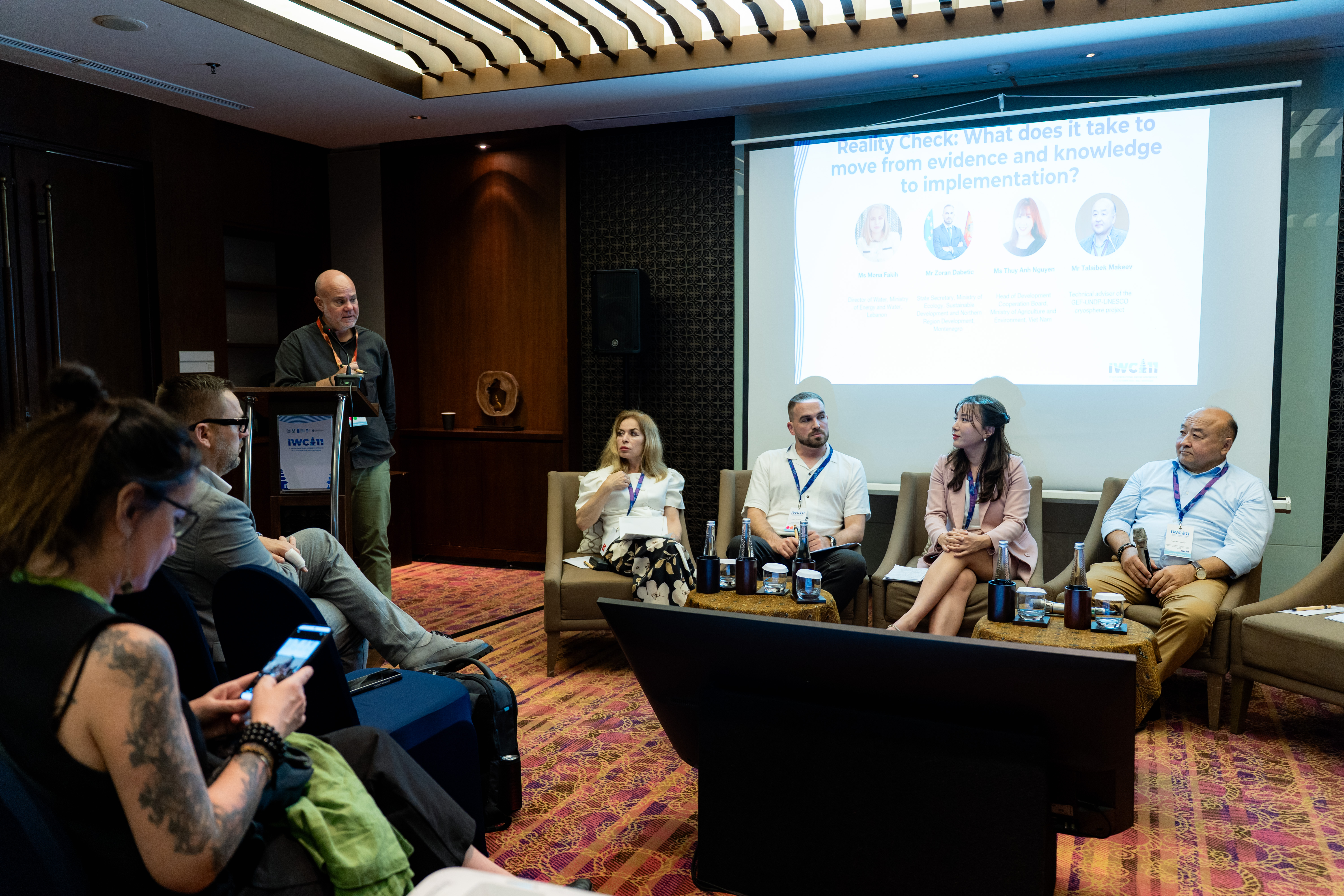
As part of the conference, the GEF–UNDP–UNESCO Cryosphere Project contributed to the organization and delivery of a thematic workshop entitled “From the Cryosphere to Coastal Aquifers: Transforming Transboundary Water Governance through Science and Integrated Management”.
The workshop provided a platform for exchanging experiences among regional initiatives, including the MedProgramme and DIKTAS II projects also executed by UNESCO, and discussing how scientific assessments and knowledge of different components of water resources can be more effectively integrated into decision-making processes.
Particular attention was given to translating scientific research and assessments into practical management solutions, strengthening interagency coordination, promoting regional cooperation and identifying sustainable financing mechanisms.
The Project’s participation highlighted the importance of recognizing the cryosphere as an integral part of the water resources system and the need to integrate knowledge about glaciers, snow cover and permafrost into water resources planning and management processes.
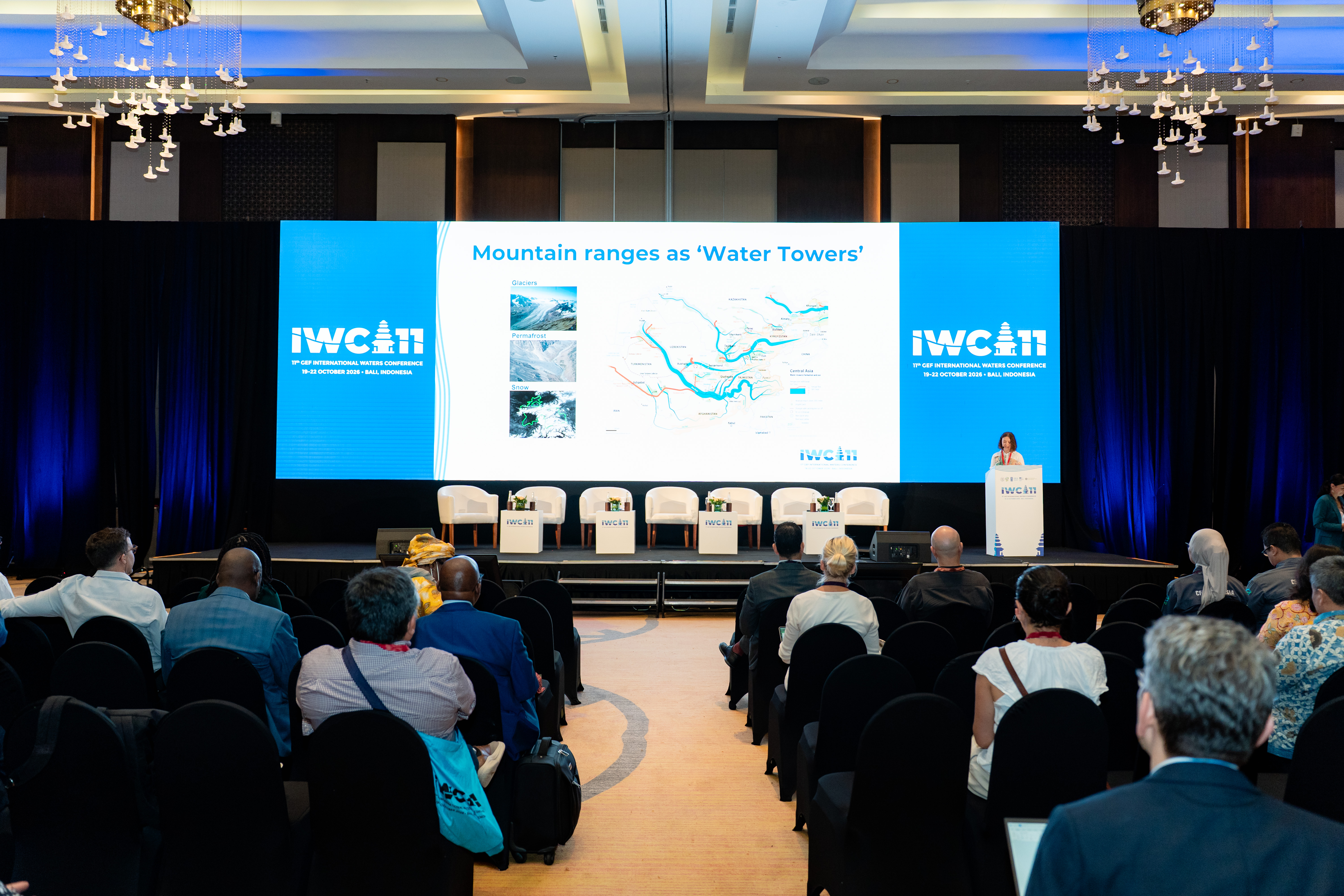
A particular highlight of the conference programme was the presentation of the results of the GEF–UNDP–UNESCO Cryosphere Project in Central Asia during one of the conference’s plenary sessions.
The Project demonstrated how regional cooperation can help address the fragmentation of monitoring systems covering different components of the cryosphere and promote a more coordinated approach to monitoring and the use of scientific data. Key areas of the Project’s work included the development of harmonized monitoring protocols, the application of common methodologies, joint scientific activities, and the promotion of continuous dialogue between the scientific community and government institutions.
Particular attention was given to integrating cryosphere-related priorities into national planning processes. For Central Asian countries, the current stage is particularly important: knowledge and cooperation outcomes accumulated through regional initiatives need to be translated into sustainable national planning, monitoring and management mechanisms.
The development of National Action Plans (NAPs) for Central Asian countries and the preparation of a Joint Subregional Action Programme (JSAP) provide an opportunity to link national priorities with shared regional objectives, identify areas for further cooperation and ensure the continuity of the results achieved.
.png)
.jpg)