 Go Back
How Changes in the Cryosphere Affect Water Resources, Agriculture and Emergencies: Outcomes of the RES-2026 Seminar
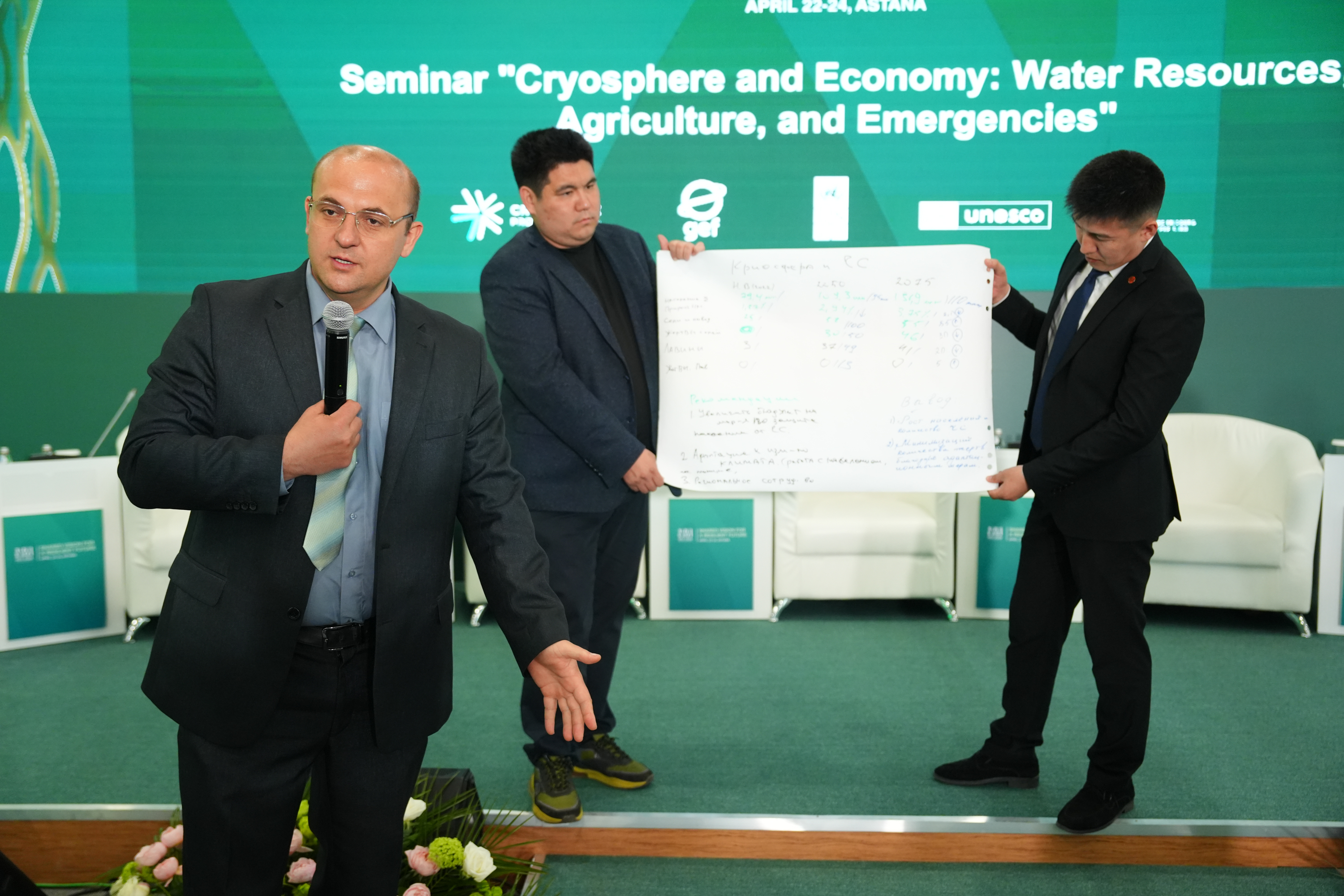
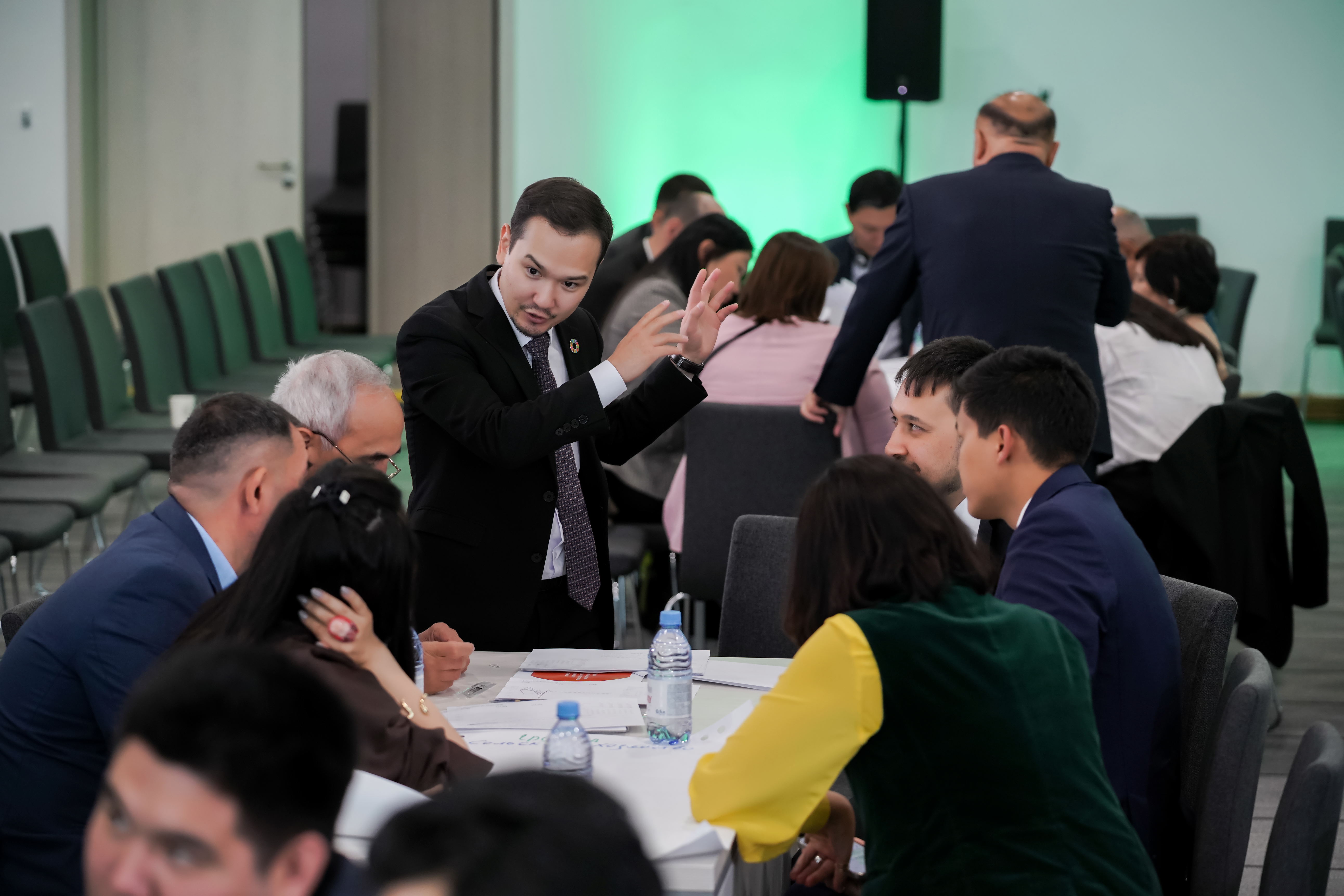
On 24 April 2026, a seminar titled “Cryosphere and Economy: Water Resources, Agriculture and Emergencies” was held as part of the Regional Ecological Summit (RES-2026), organized by the UNESCO Regional Office in Almaty under the GEF–UNDP–UNESCO Cryosphere Project. The seminar was conducted in an interactive format and aimed to analyze the impacts of cryosphere changes on key economic sectors in Central Asia and to identify possible adaptation measures.
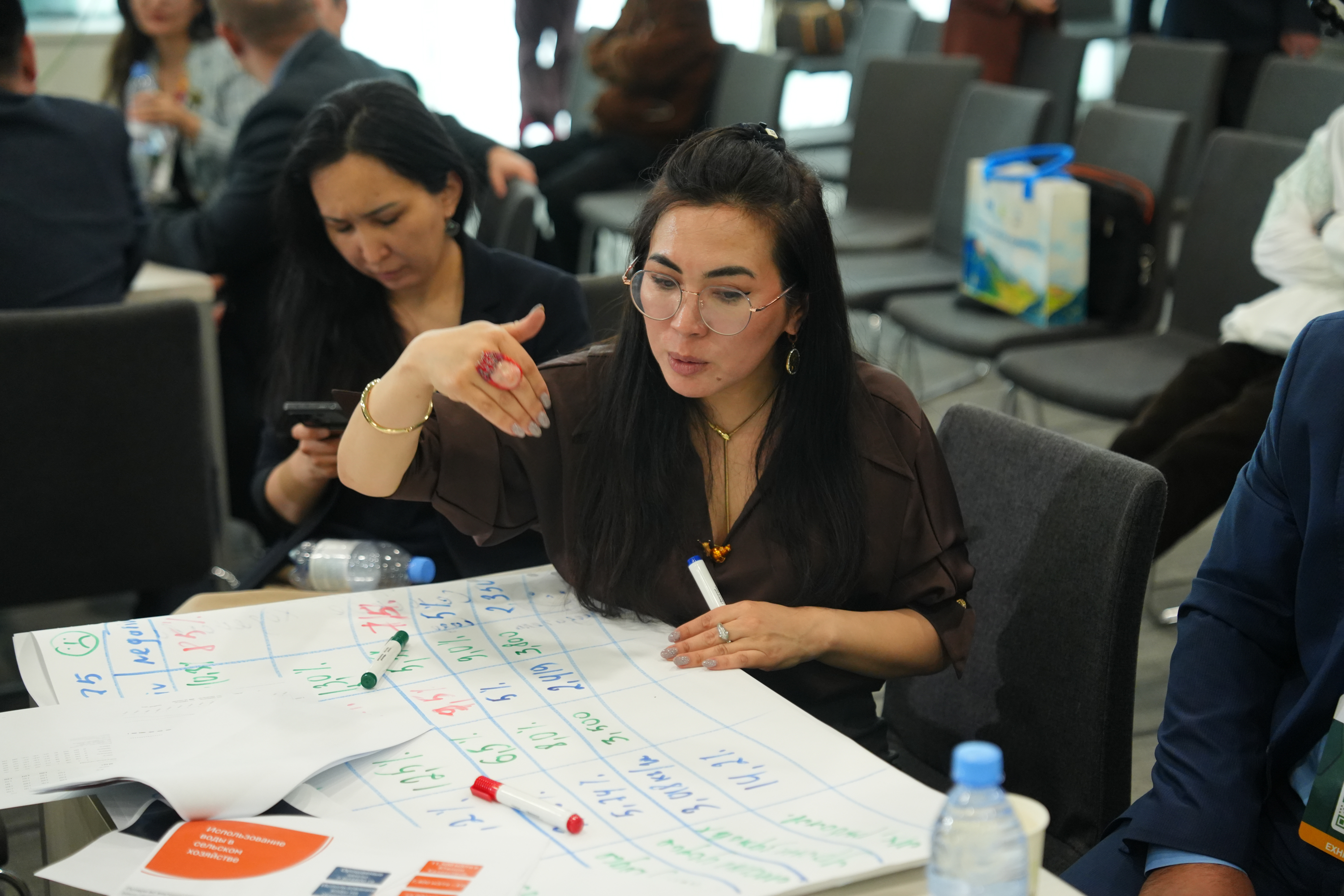
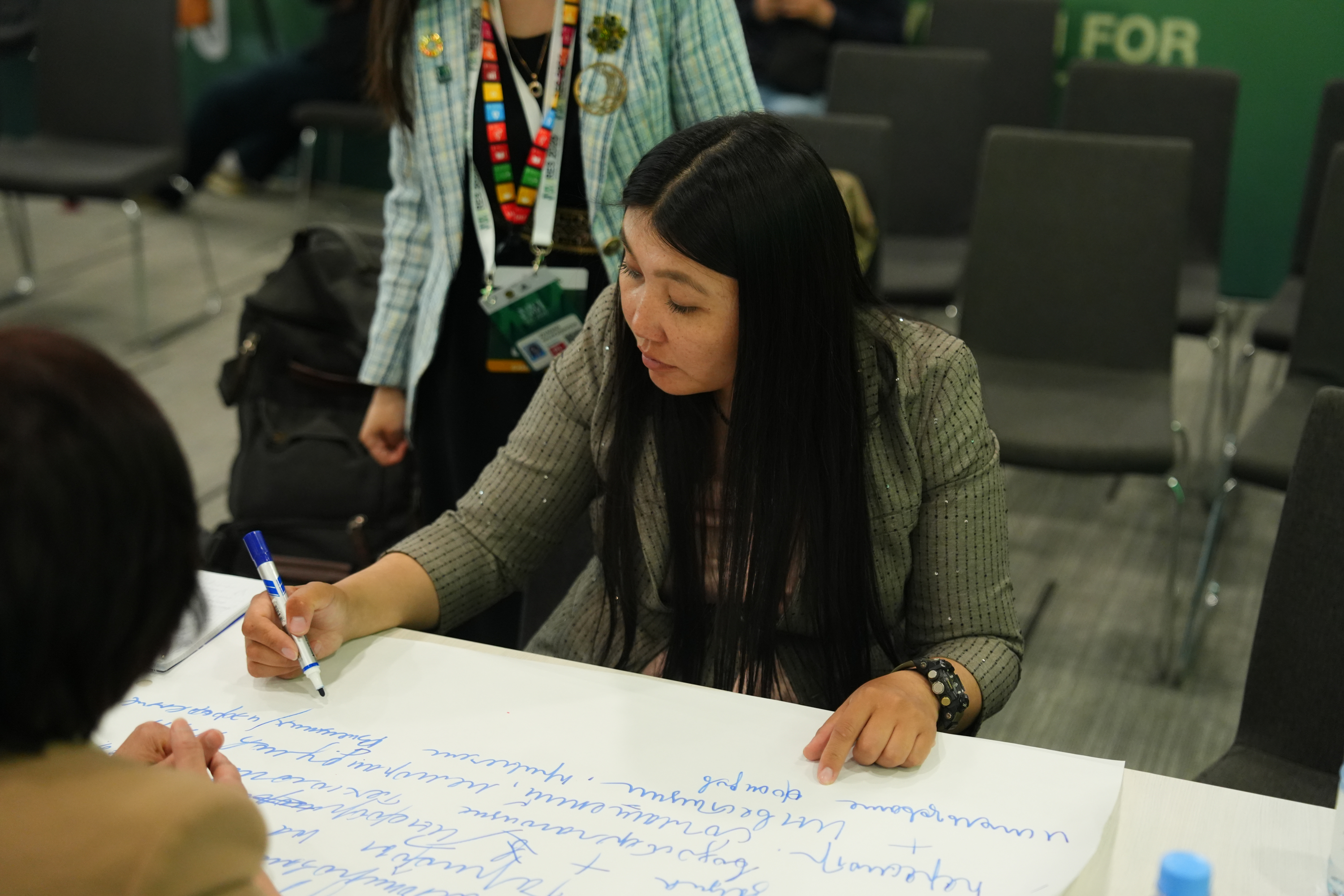
Participants were presented with climate models of changes in snow cover and glaciers, as well as their projected impacts on water resources and food security in the region. Based on these inputs, scenario-building exercises were carried out to explore the interlinkages between “cryosphere and water,” “cryosphere and agriculture,” and “cryosphere and emergencies,” taking into account socio-economic factors and long-term trends.
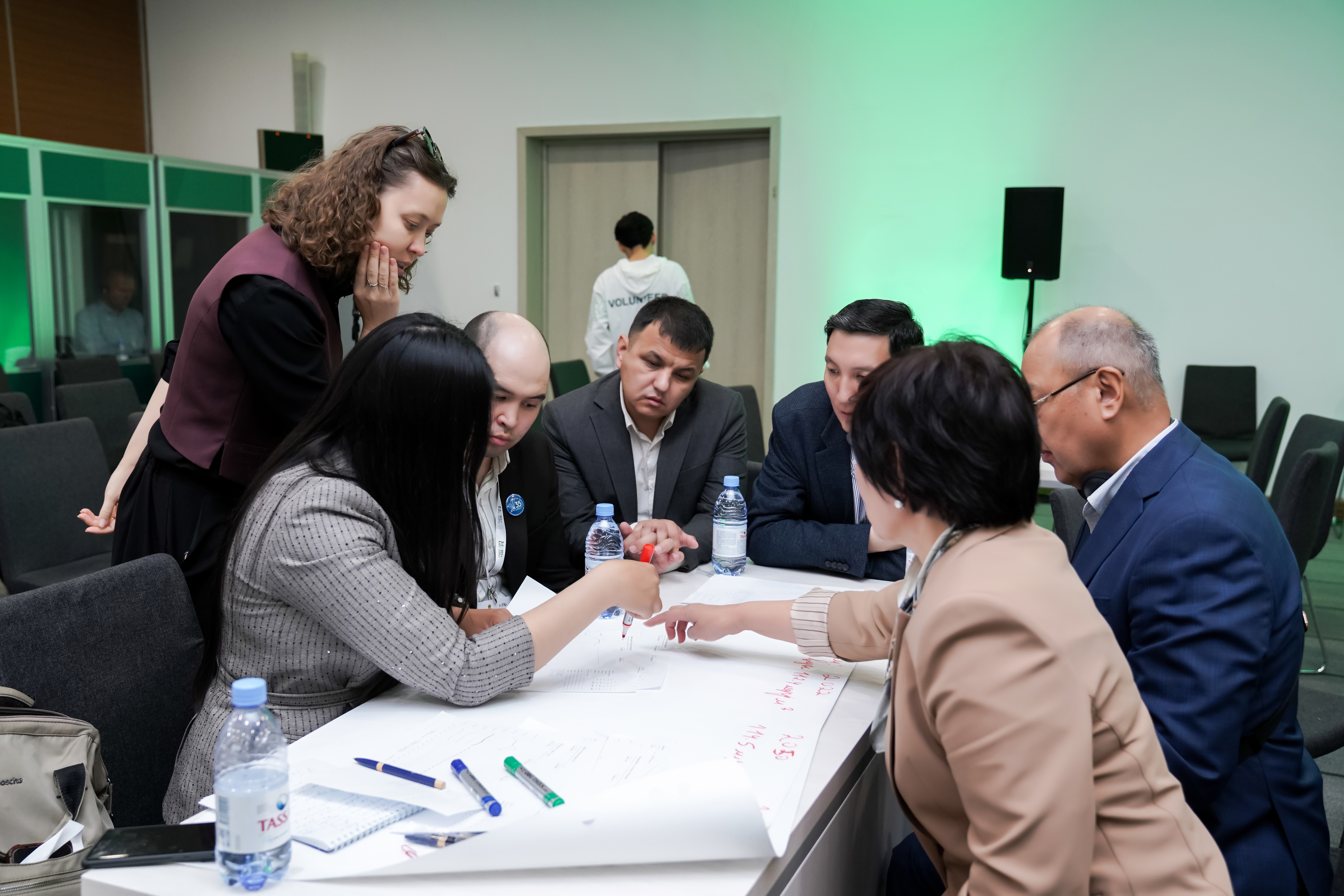
The discussions showed that even simplified statistical analysis indicates significant and potentially severe changes across all sectors considered.
One of the key conclusions of the seminar was the need to move towards more advanced economic modelling of the impacts of climate change and cryosphere degradation, particularly in water management, agriculture and emergency response systems. Participants emphasized that such models are essential for informing strategic decision-making and prioritizing adaptation measures.
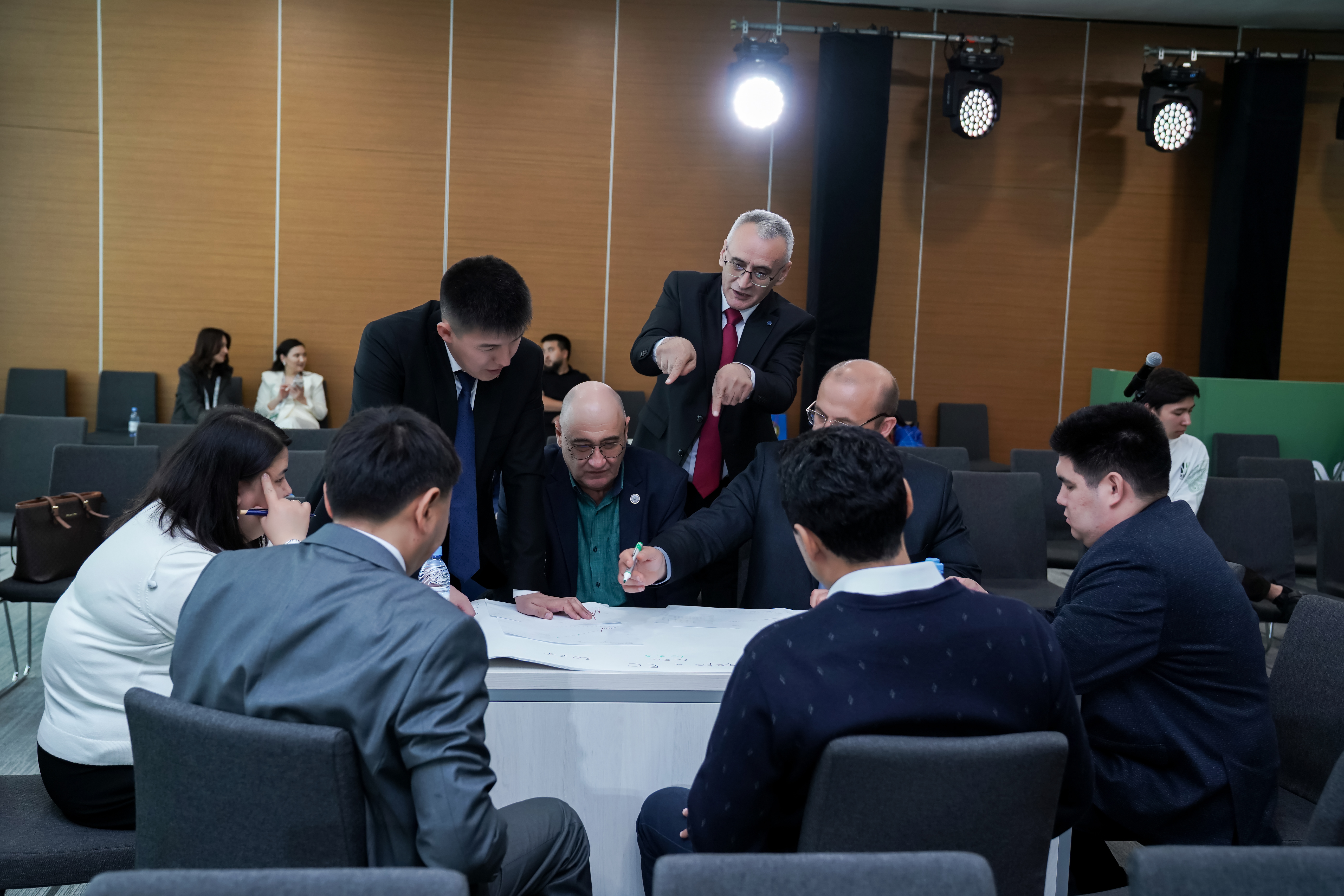
An urgent need for increased investment in infrastructure, policy development and the deployment of modern technologies to reduce vulnerability to climate risks in the region was also highlighted.
The seminar marked an important step in moving from scientific and diagnostic assessments towards applied economic analysis, laying the foundation for more informed and coordinated actions to strengthen the resilience of Central Asian economies to cryosphere changes.