 Go Back
UNESCO supports regional dialogue on glacier and cryosphere monitoring in Central Asia
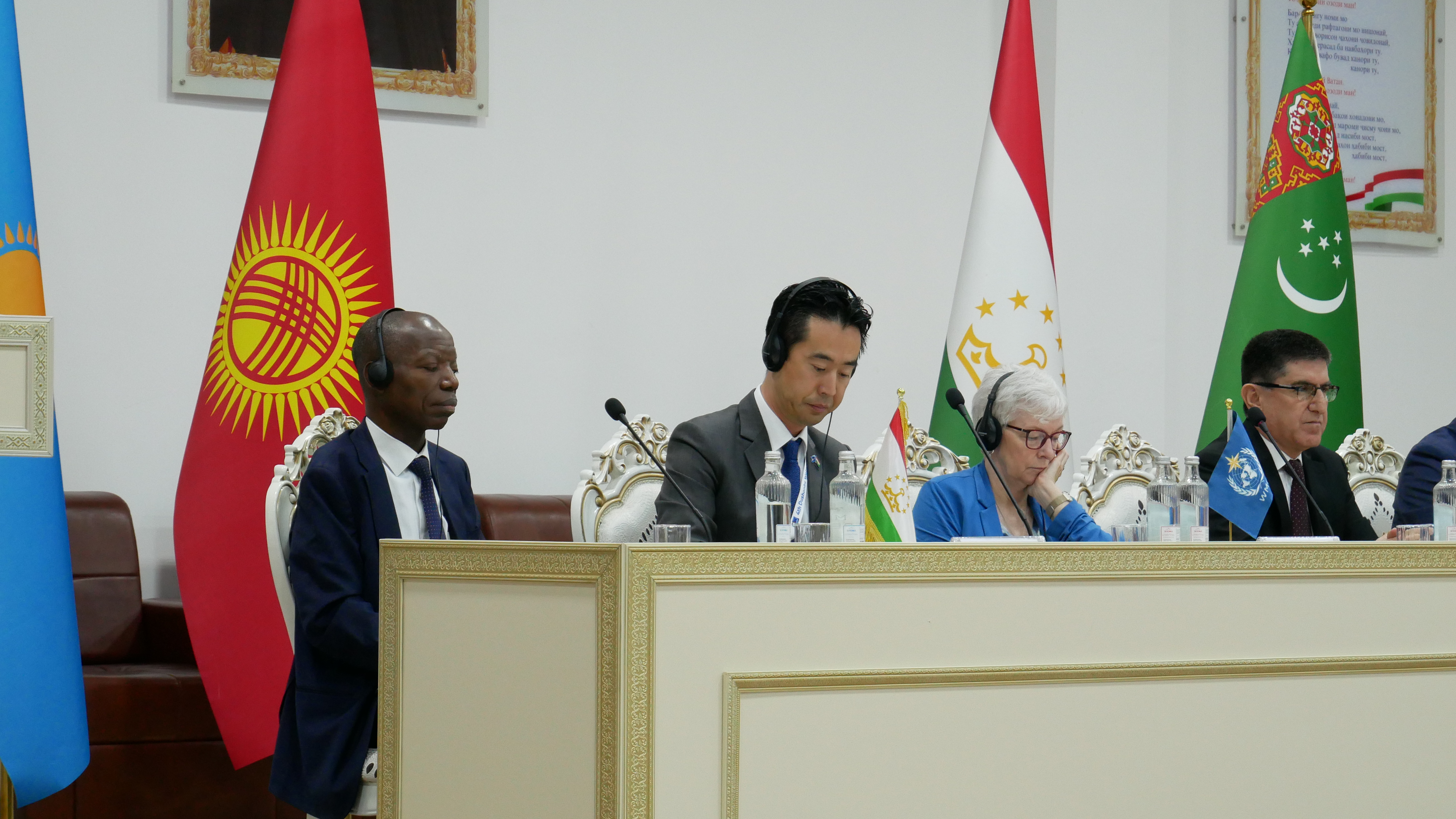
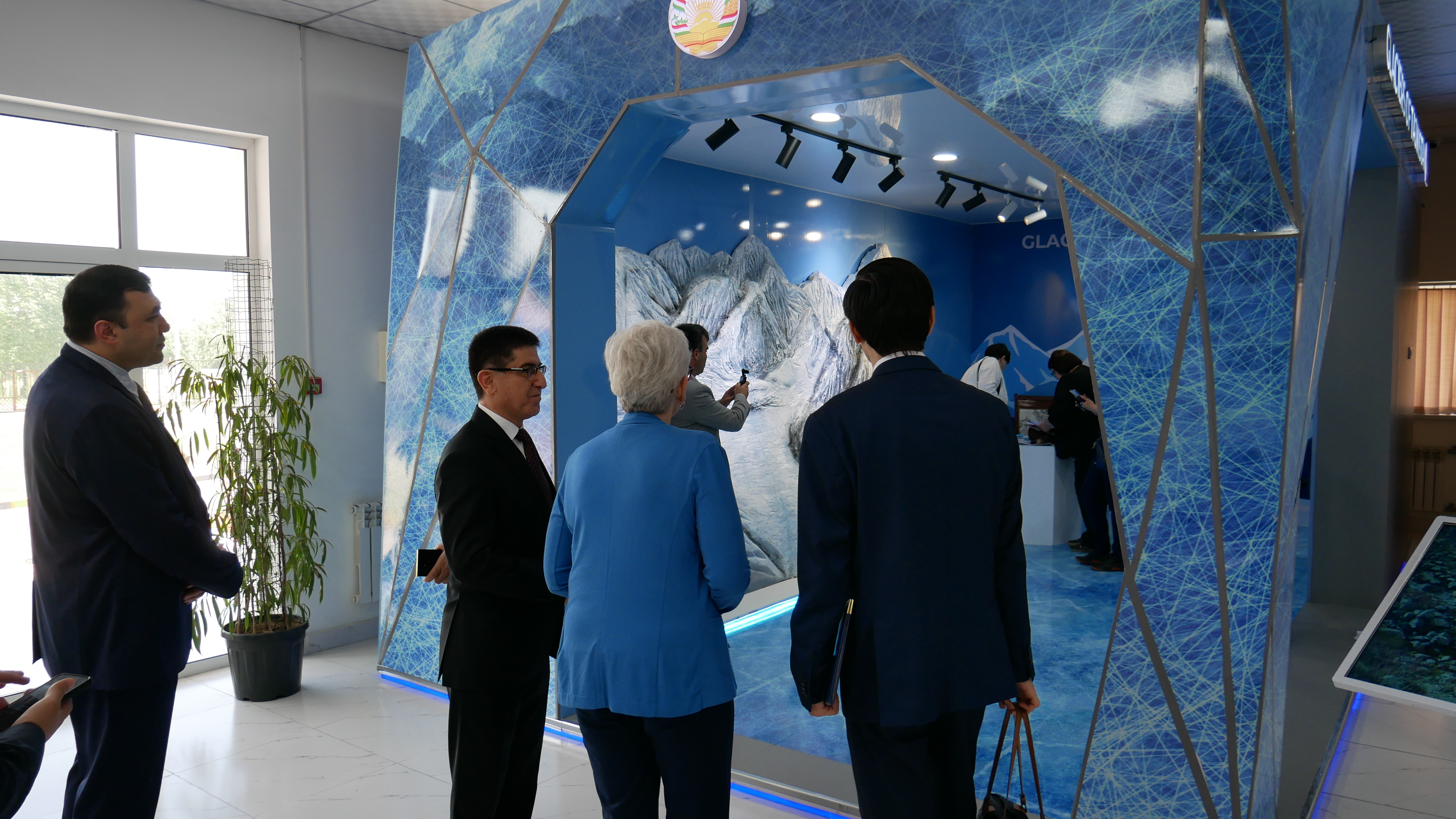
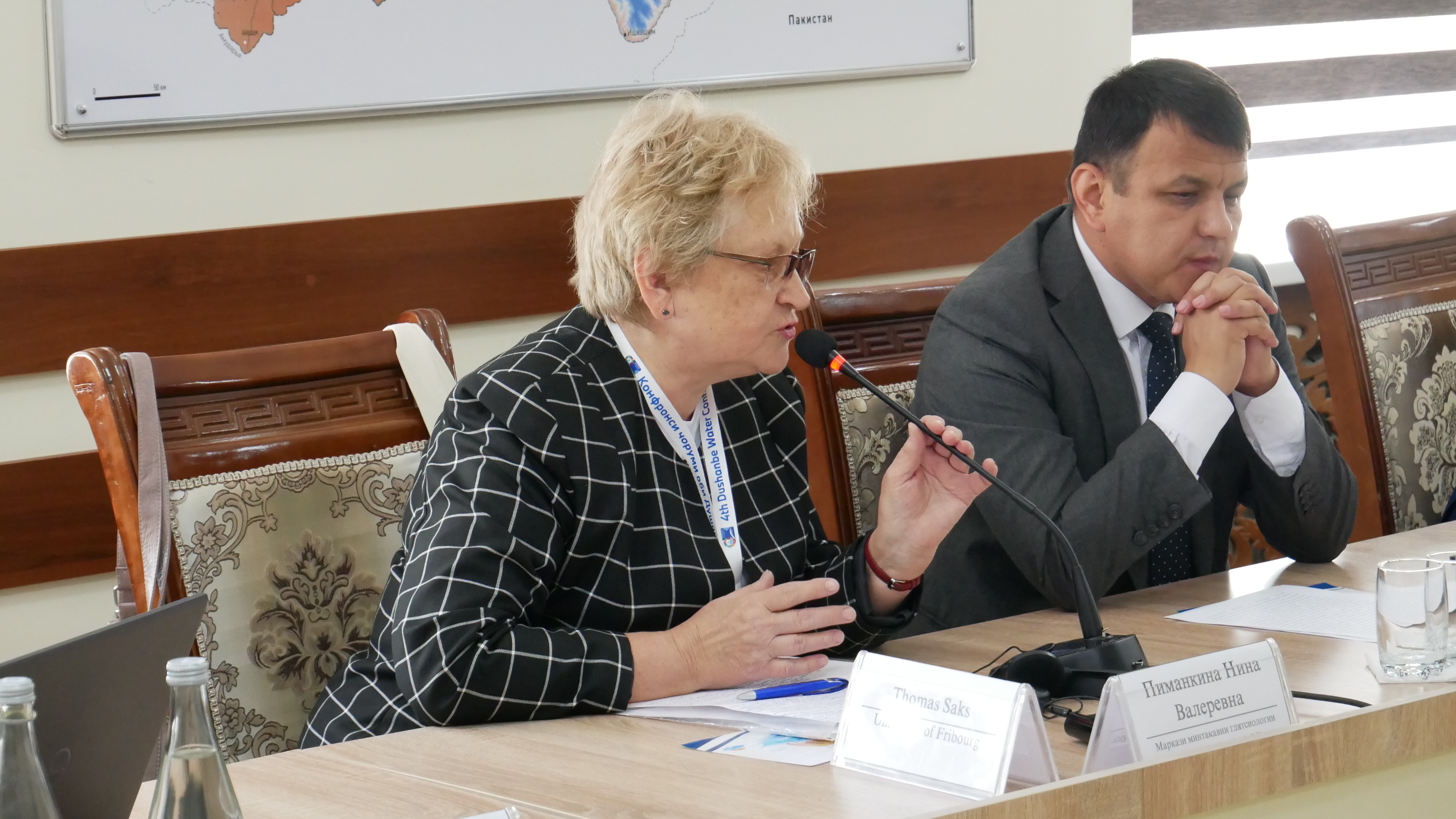
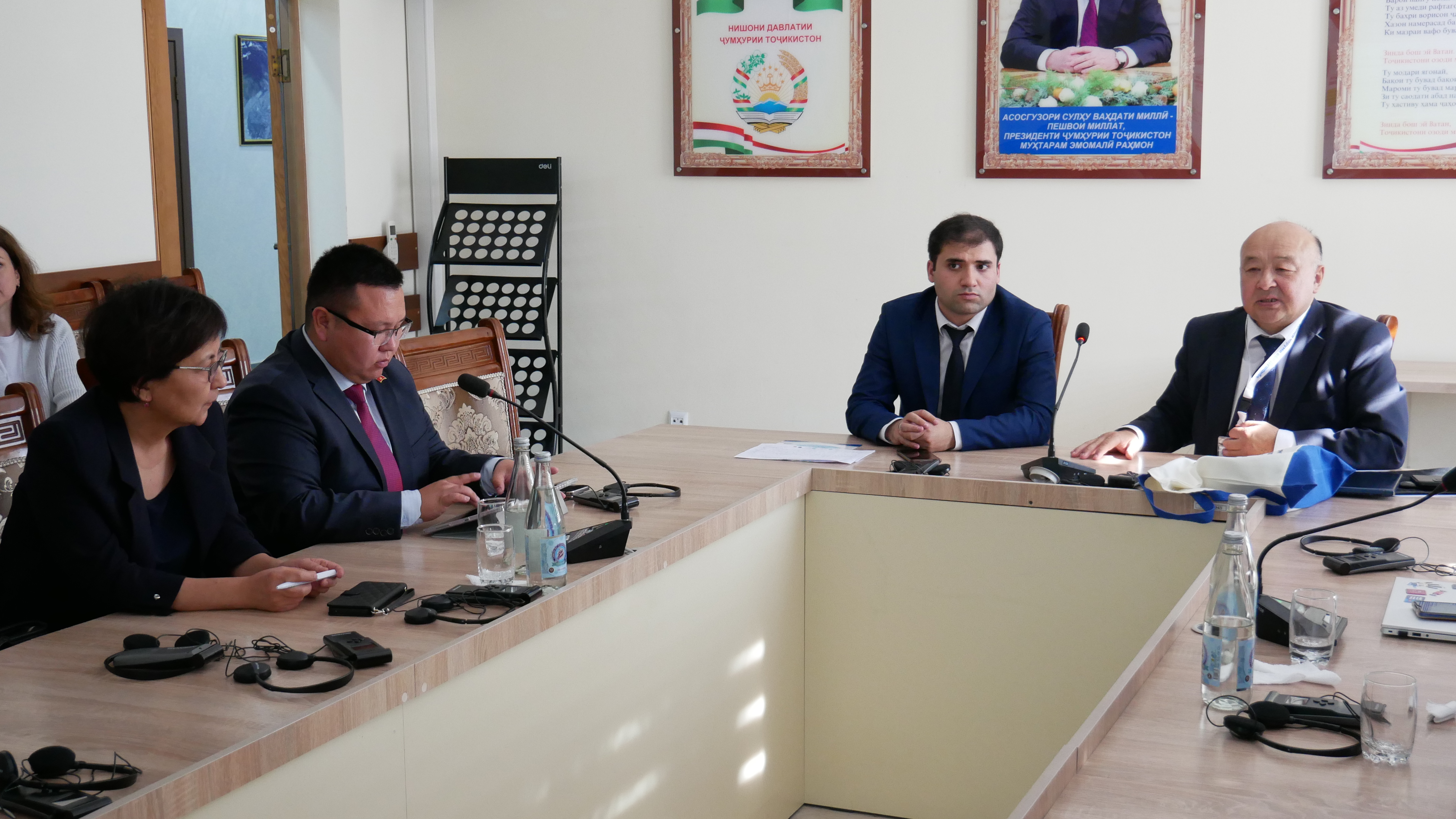
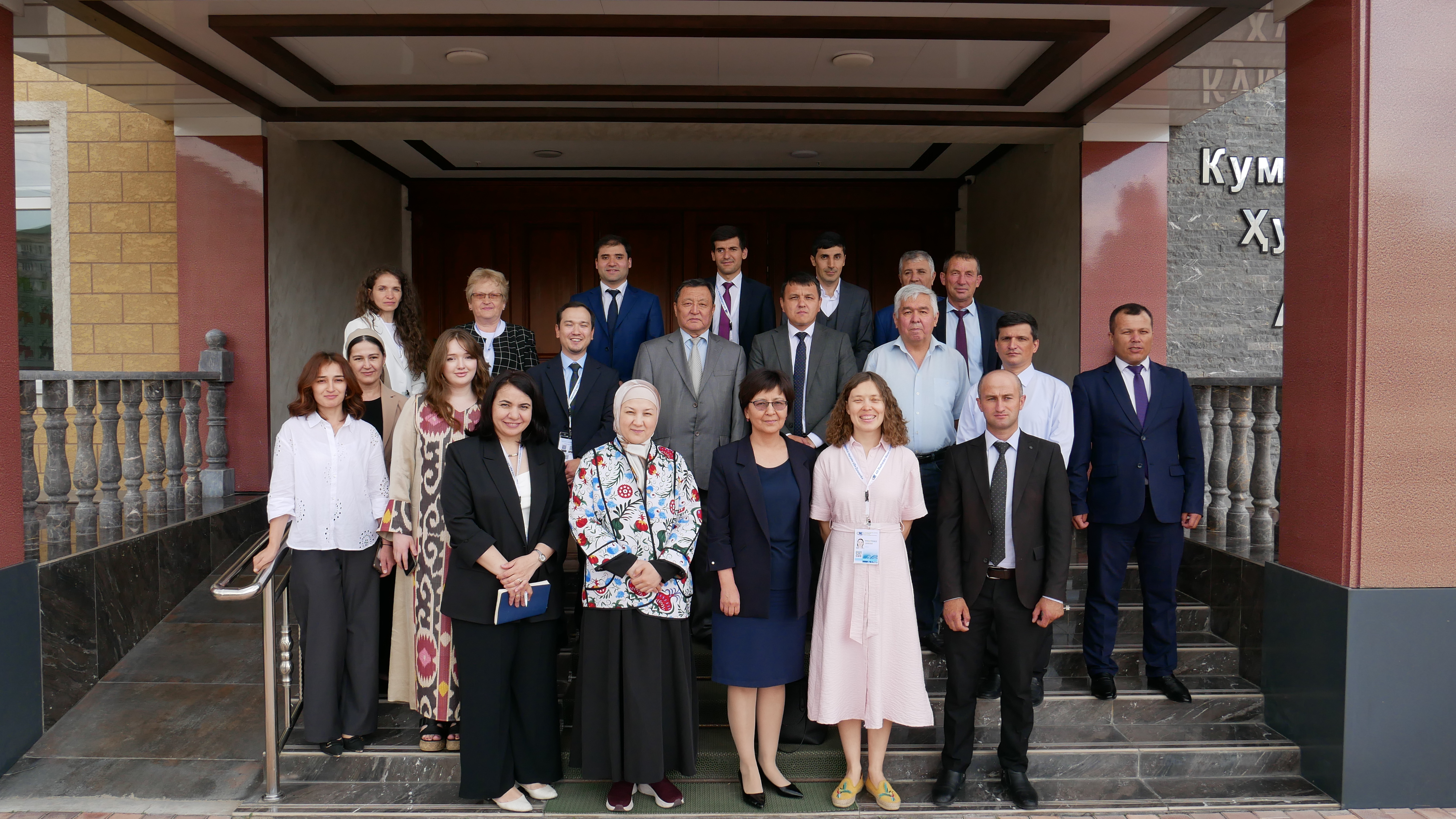
UNESCO supported regional discussions during the Central Asian Coordination Forum on Glacier and Cryosphere Monitoring, Assessment and Forecasting, held in Dushanbe as part of the 4th High-Level International Conference on the International Decade for Action “Water for Sustainable Development” 2018–2028.
The event was organized by the Agency for Hydrometeorology of the Committee for Environmental Protection under the Government of the Republic of Tajikistan in partnership with UNESCO, GIZ, IOM, ADB and the Aga Khan Foundation.
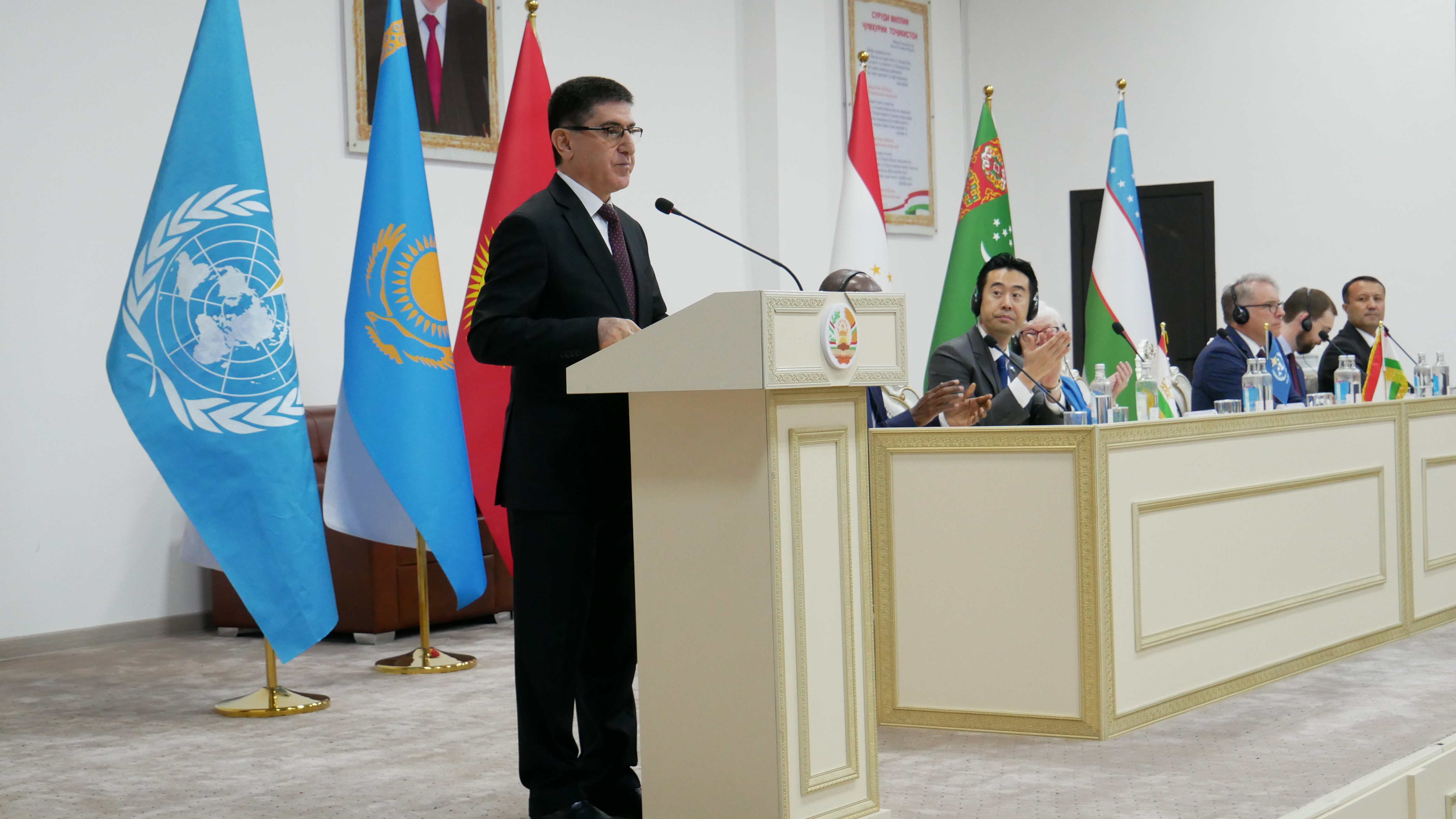
“Over the past century, Tajikistan has lost around 30 per cent of its glaciers. As of October 2025, more than 1,400 glacial lakes have been recorded in the country, 479 of which cover an area of more than 10,000 m². This further confirms the growing vulnerability of mountain ecosystems and local communities to the impacts of climate change. In this context, comprehensive monitoring, the use of modern technologies and stronger transboundary cooperation are becoming increasingly important,” said Abdullo Kurbonzoda, Director of the Agency for Hydrometeorology of the Committee for Environmental Protection under the Government of the Republic of Tajikistan.
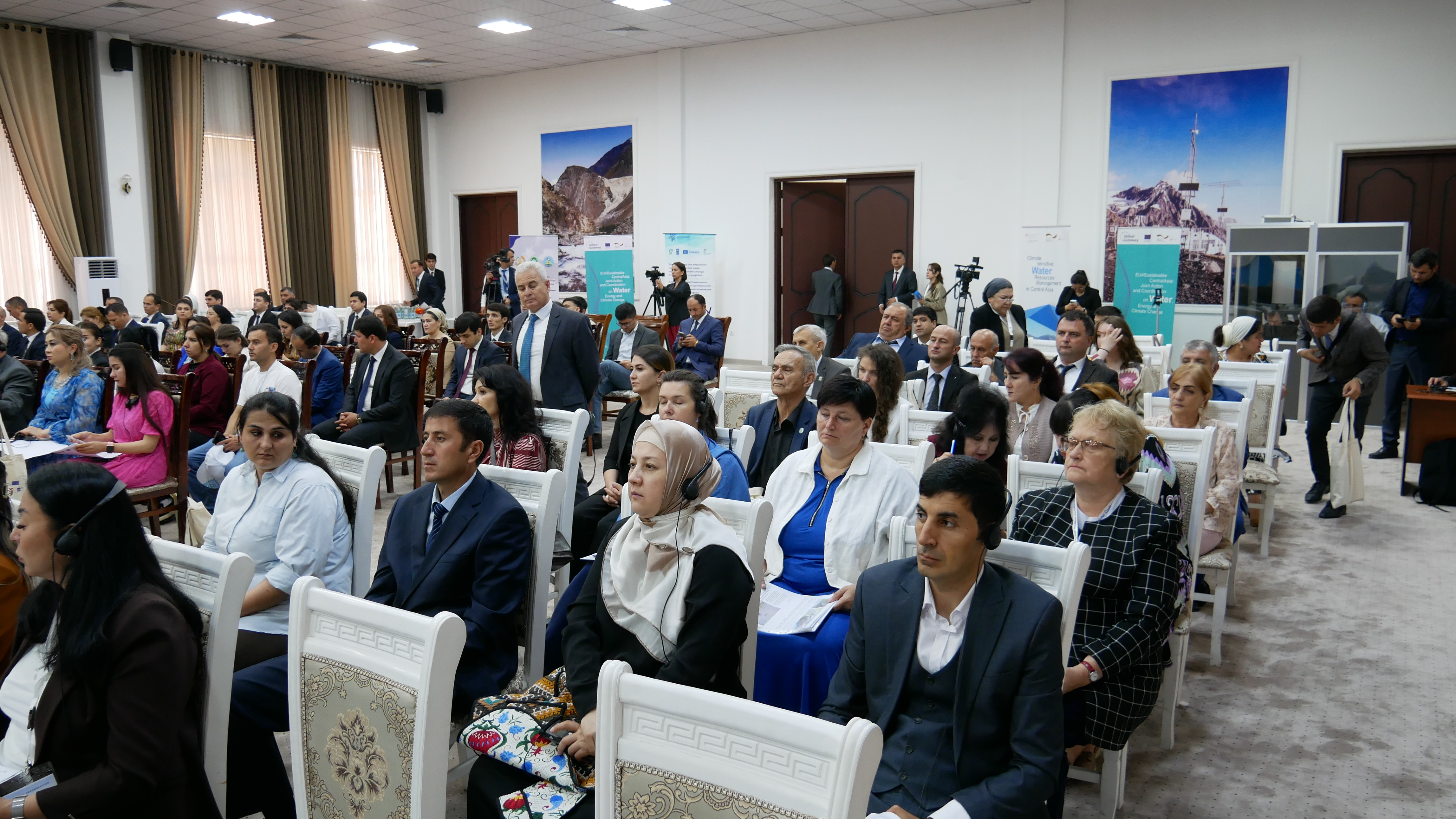
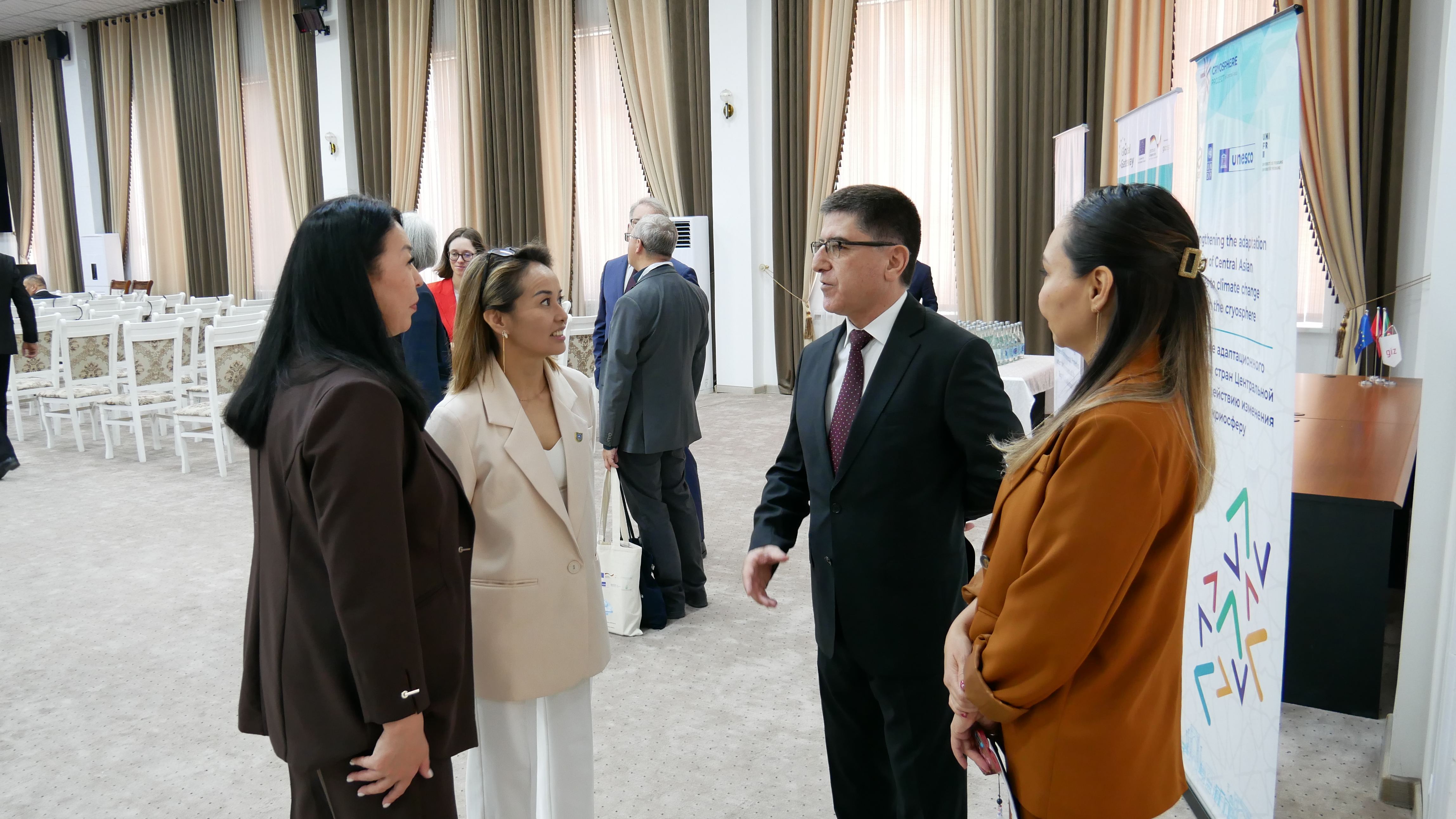
The Forum brought together representatives of government institutions, scientific organizations, hydrometeorological services and international partners to discuss regional cooperation in cryosphere monitoring, scientific collaboration, glacier and hydrological modelling, forecasting and early warning. Discussions focused on how stronger cooperation can improve the quality and use of scientific data for climate change adaptation and disaster risk reduction in Central Asia.
For UNESCO, this regional agenda is closely connected to the Decade of Action for Cryospheric Sciences, which aims to strengthen cooperation among countries, scientific institutions and development partners.
“Shrinking glaciers and depleting snowpacks threaten water security for two billion people, and here in Central Asia rapid glacier retreat is already affecting water availability and increasing risks such as glacial lake outburst floods. The Decade of Action for Cryospheric Sciences is a once-in-a-generation opportunity to change how humanity understands, values, and protects the frozen regions of our planet. It is our chance to make the cryosphere visible to decision-makers, voters, children, and heads of state alike,” said Abou Amani, Director of the Division of Water Sciences and Secretary of UNESCO’s Intergovernmental Hydrological Programme.
The Forum also supported the regional momentum built at the Regional Environmental Summit 2026 in Astana, where Central Asian countries announced a Joint Statement in support of the Joint Subregional Action Programme (JSAP) on the cryosphere. Developed by the countries of the region with support from the GEF–UNDP–UNESCO project, the JSAP provides a framework for strengthening cooperation, data exchange and joint adaptation measures across Central Asia.
As part of the Conference, the Agency for Hydrometeorology in partnership with UNESCO also organized a side event focused on cooperation among hydrometeorological services and the establishment of the Regional Coordination Centre. The discussion highlighted the Centre’s role in practical implementation of Cryosphere JSAP for 2027-2035.
The Forum also addressed the preparedness of local communities to respond to risks posed by glacial lake outburst floods. In Central Asia, these issues are already being translated into practice through the GLOFCA project, through which the UNESCO Regional Office in Almaty, with financial support from the Adaptation Fund, supports the installation of early warning systems in pilot areas across the region.
Together, the Forum and related discussions helped advance a more coordinated regional approach to cryosphere monitoring, forecasting and risk reduction in Central Asia.