 Go Back
Glaciological Station T-1: More Than 65 Years of Observing Glacier Change in Central Asia
On International Mountain Day, we take a closer look at the Glaciological Station T-1 (Tuyuksu), a unique high-mountain site where scientists have been observing glacier change for more than 65 years.
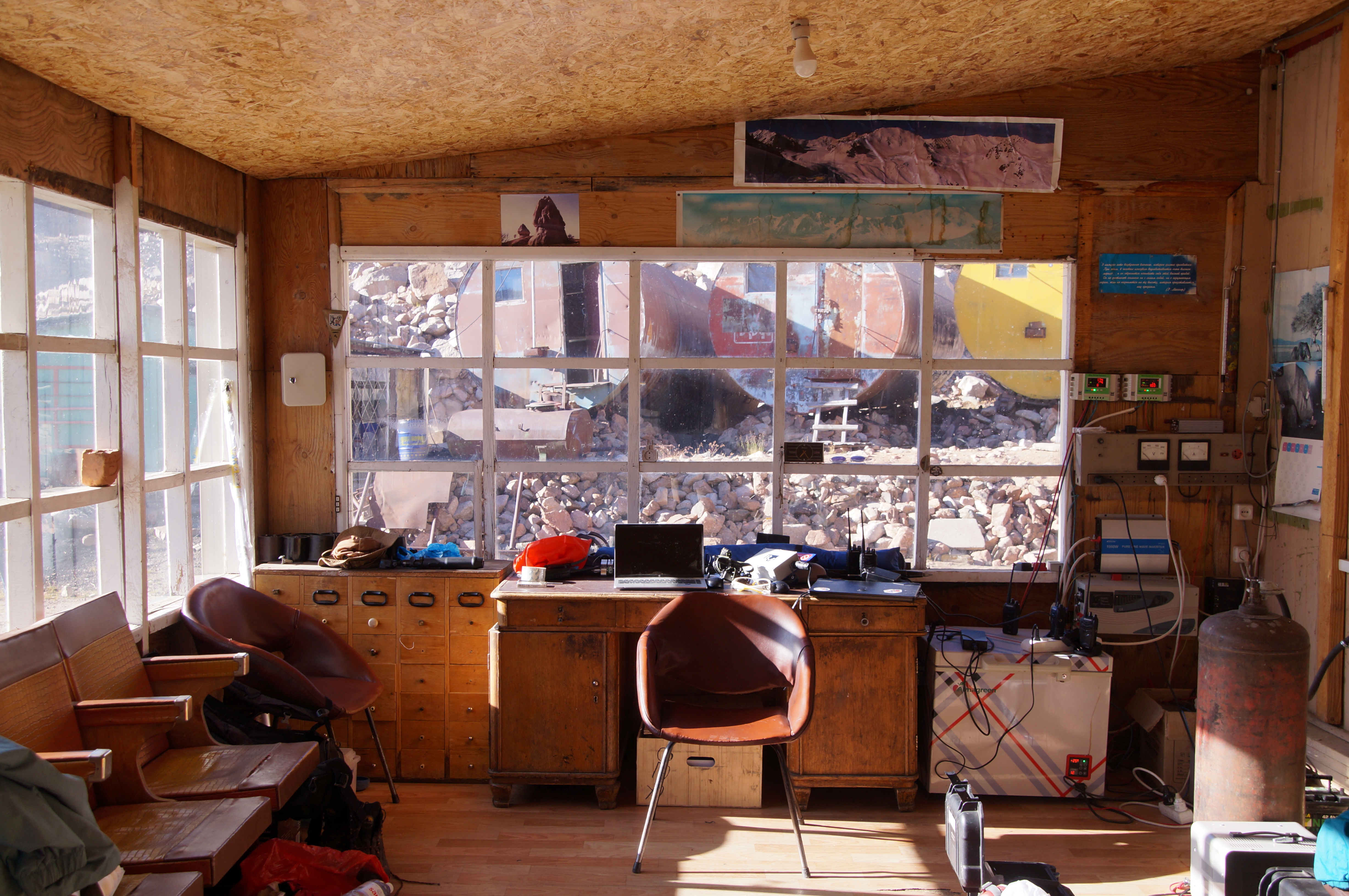
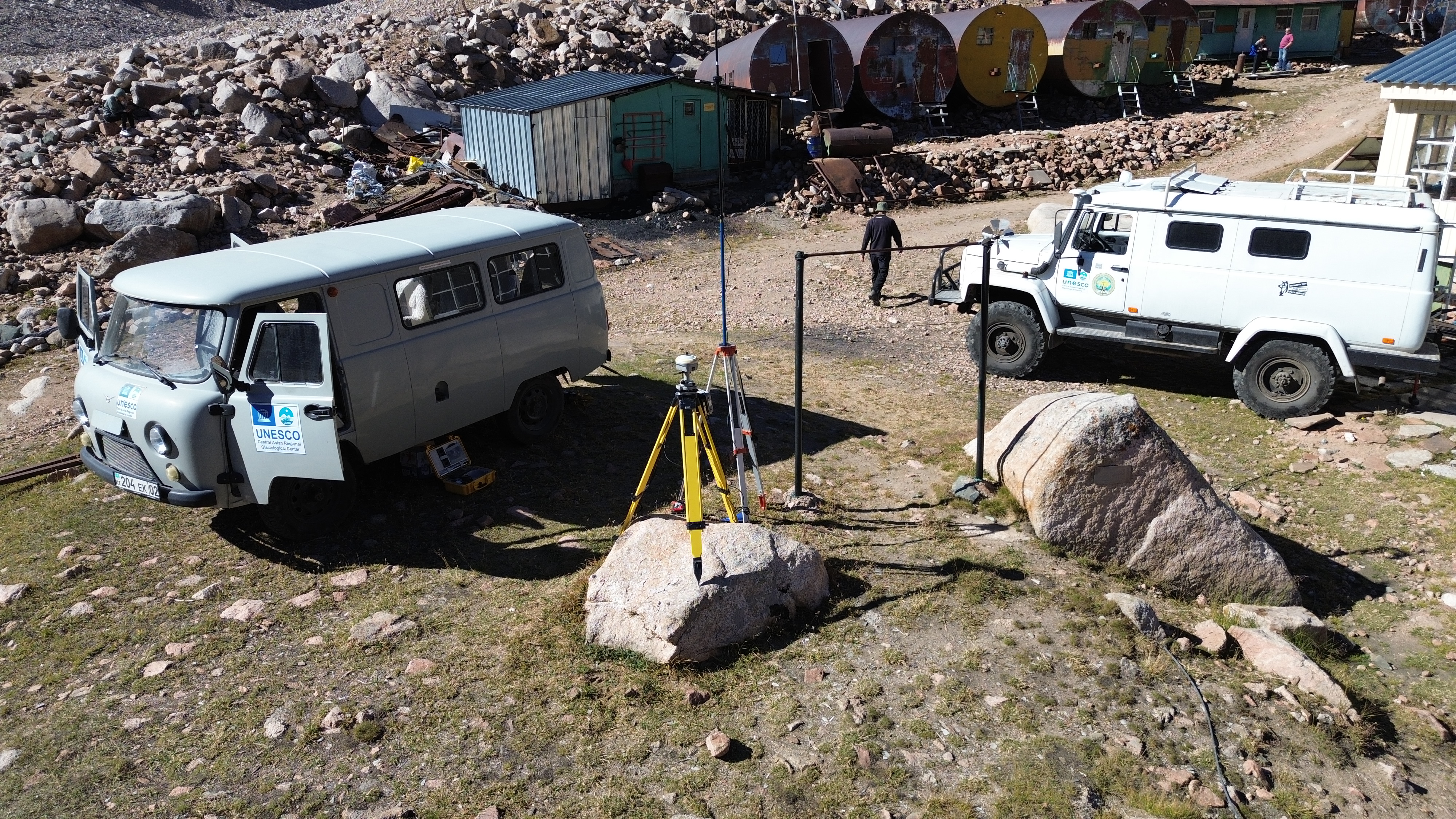
The station was established in 1956 near the Tuyuksu Glacier in the Ile Alatau range. It is the only station in Kazakhstan that conducts year-round observations of glaciers, snow cover, meteorological conditions, and permafrost. Thanks to continuous records spanning more than six decades, the Tuyuksu Glacier is considered a reference glacier for Central Asia, providing key insights into regional and global glacier degradation trends.
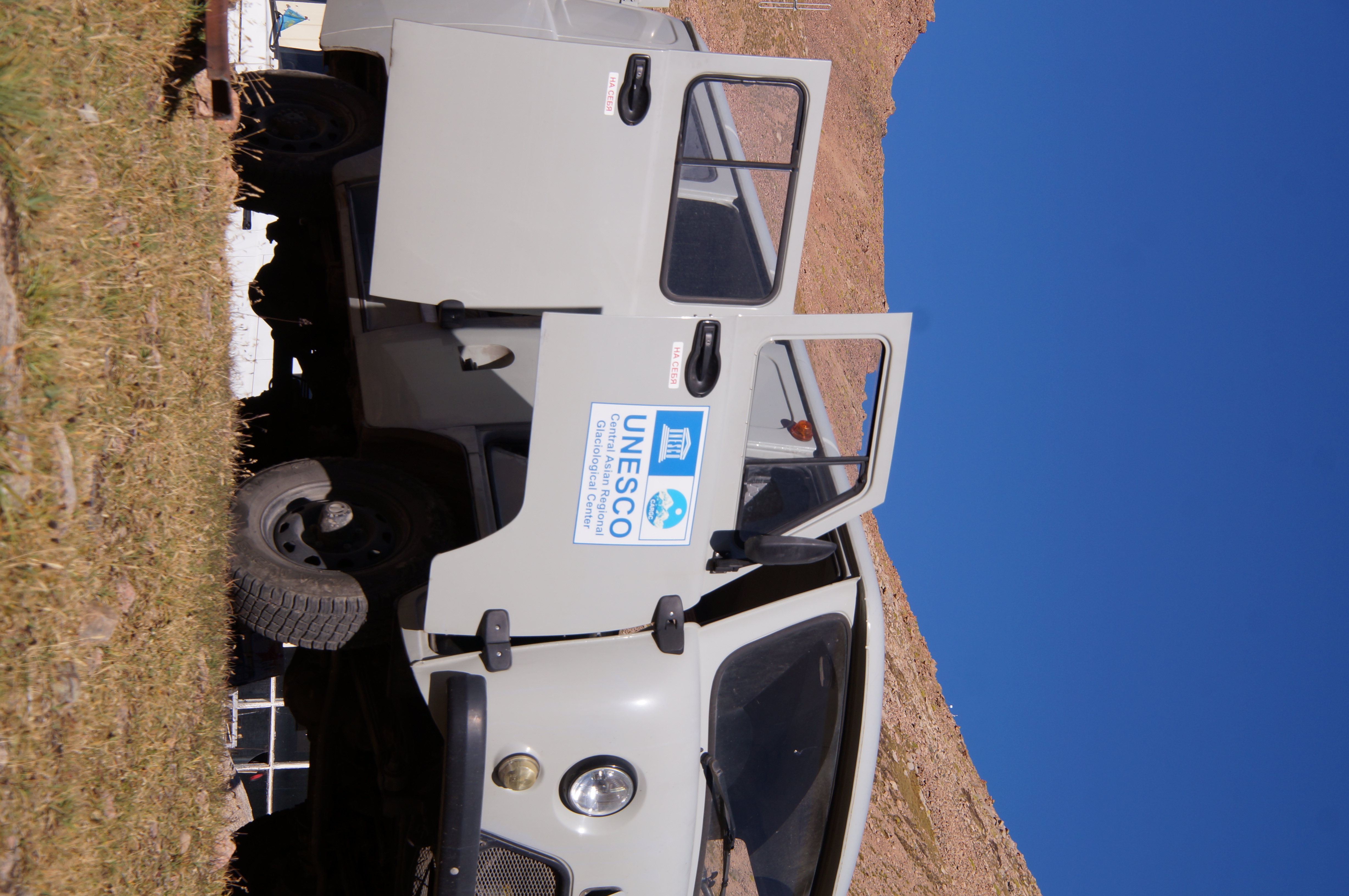
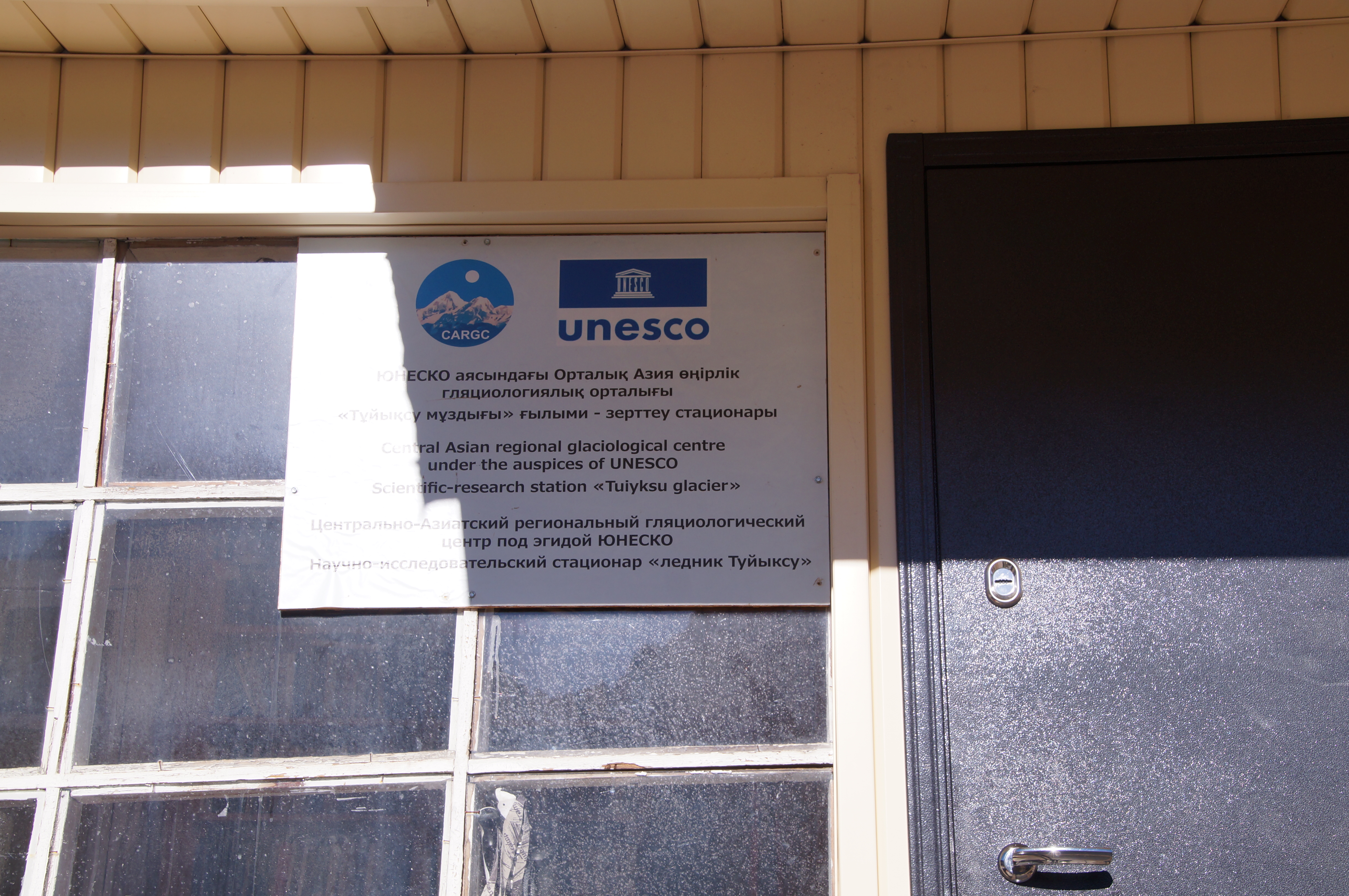
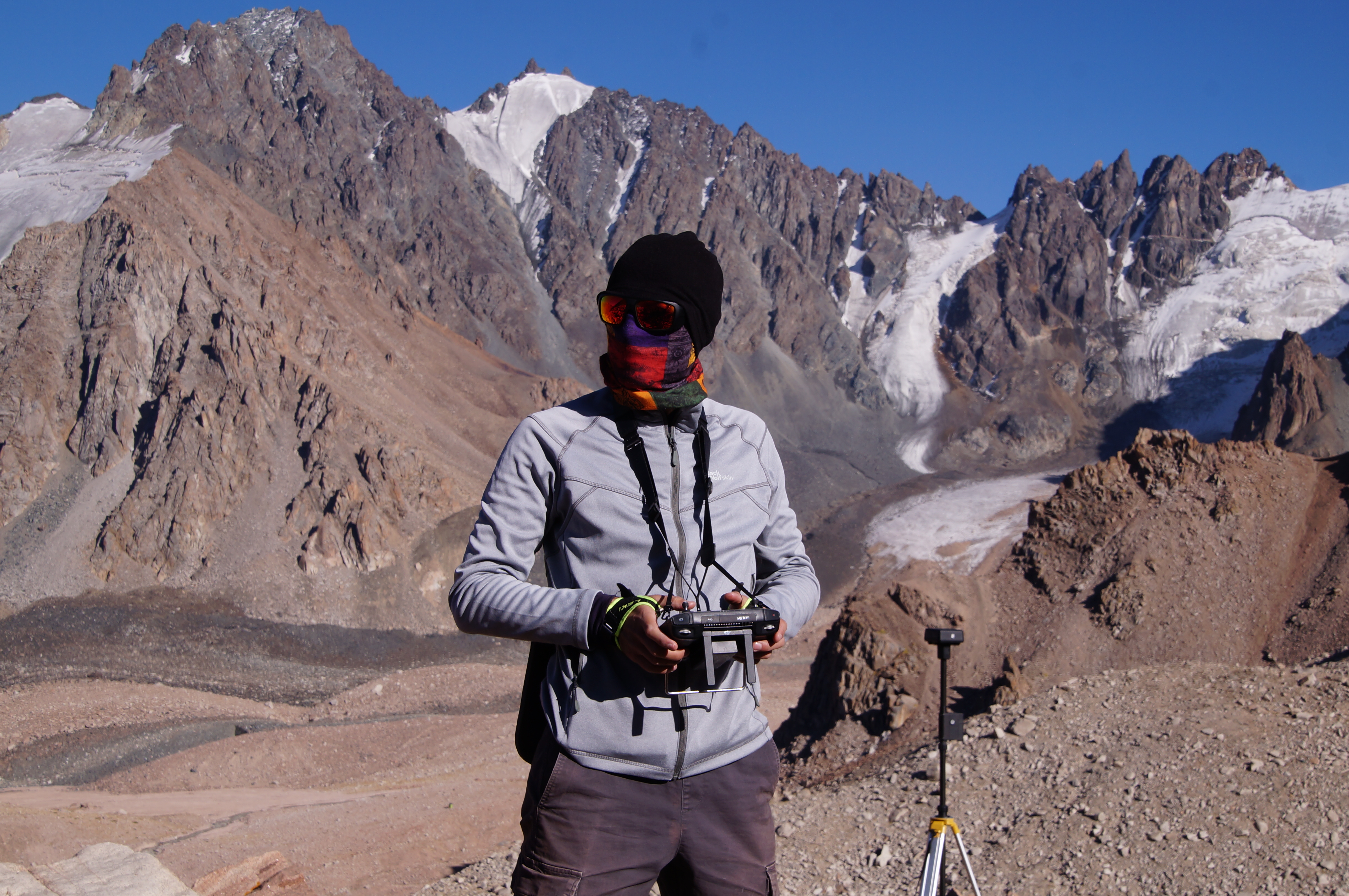
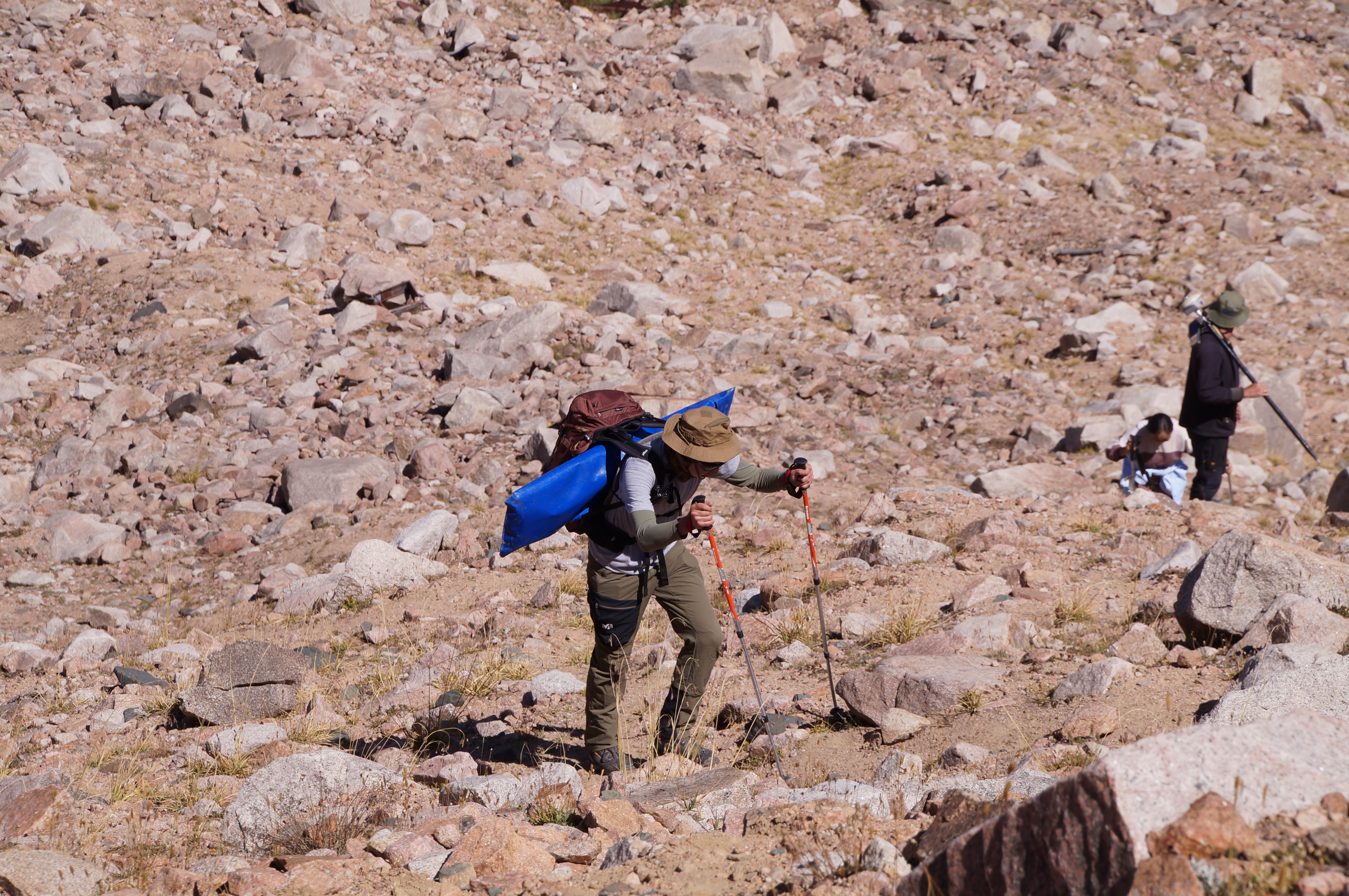
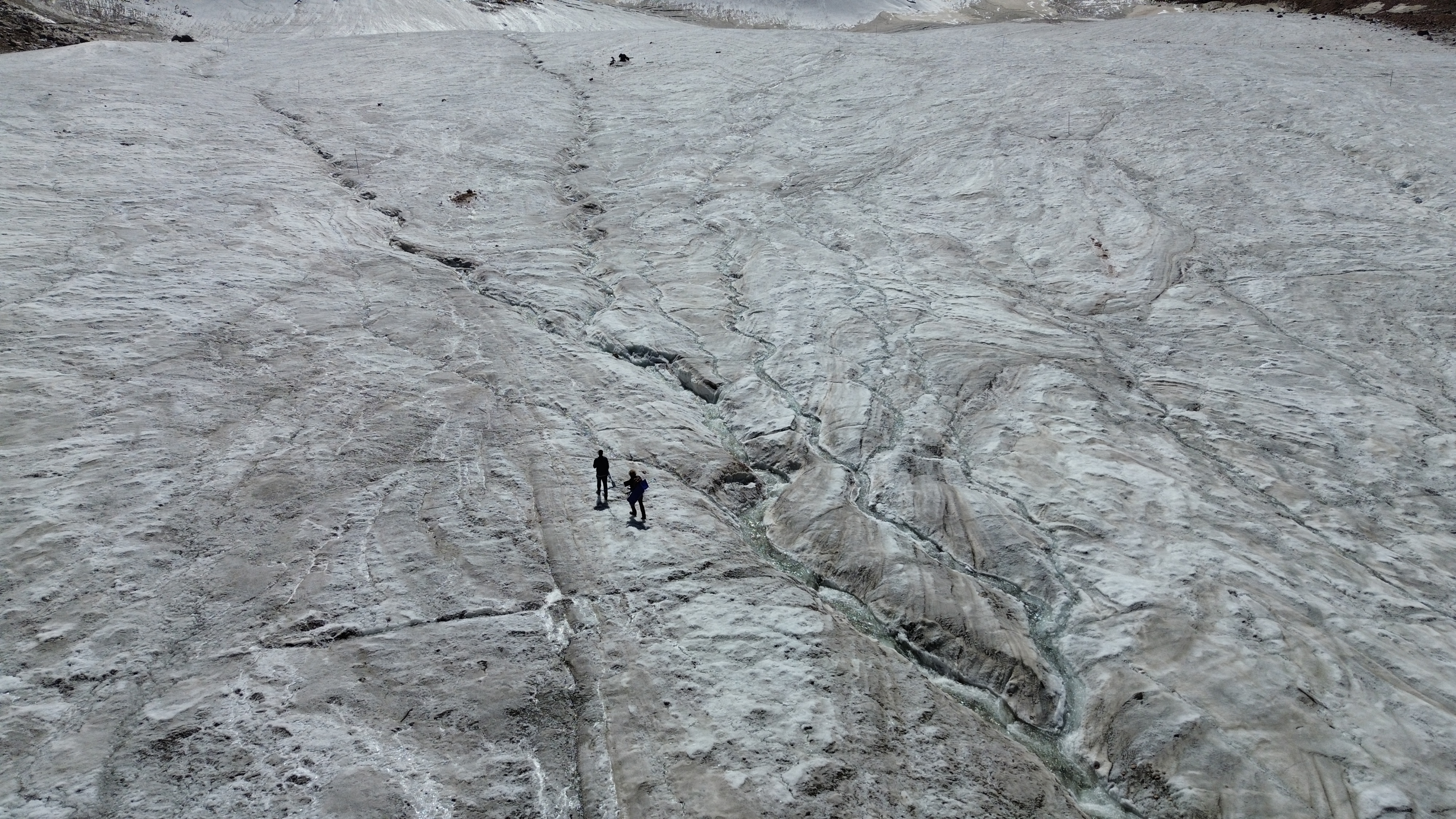
Specialists from the Central Asian Regional Glaciological Centre Category 2 under the auspices of UNESCO (CARGC) carry out systematic monitoring at the station. In winter, they measure snowpack characteristics and meteorological parameters; in summer, they assess glacier mass balance. Approximately 90 stakes installed on the glacier enable annual calculations of winter accumulation and summer melt. Geodetic measurements enable tracking of glacier flow velocity, while drone and LiDAR surveys provide high-precision mapping of the glacier surface.
According to data from CARGC, 2025 recorded some of the highest levels of glacier melt observed over the entire monitoring period, linked to exceptionally high summer air temperatures.
According to Yuriy Rebrov, CARGC specialist and Acting Head of the station:
“Data collected here is used not only in Kazakhstan. They are submitted to the World Glacier Monitoring Service (WGMS) at the University of Zurich, Switzerland, and are applied by scientists worldwide. Observations from the Tuyuksu Glacier allow us to assess overall glacier degradation and develop projections for the future.”
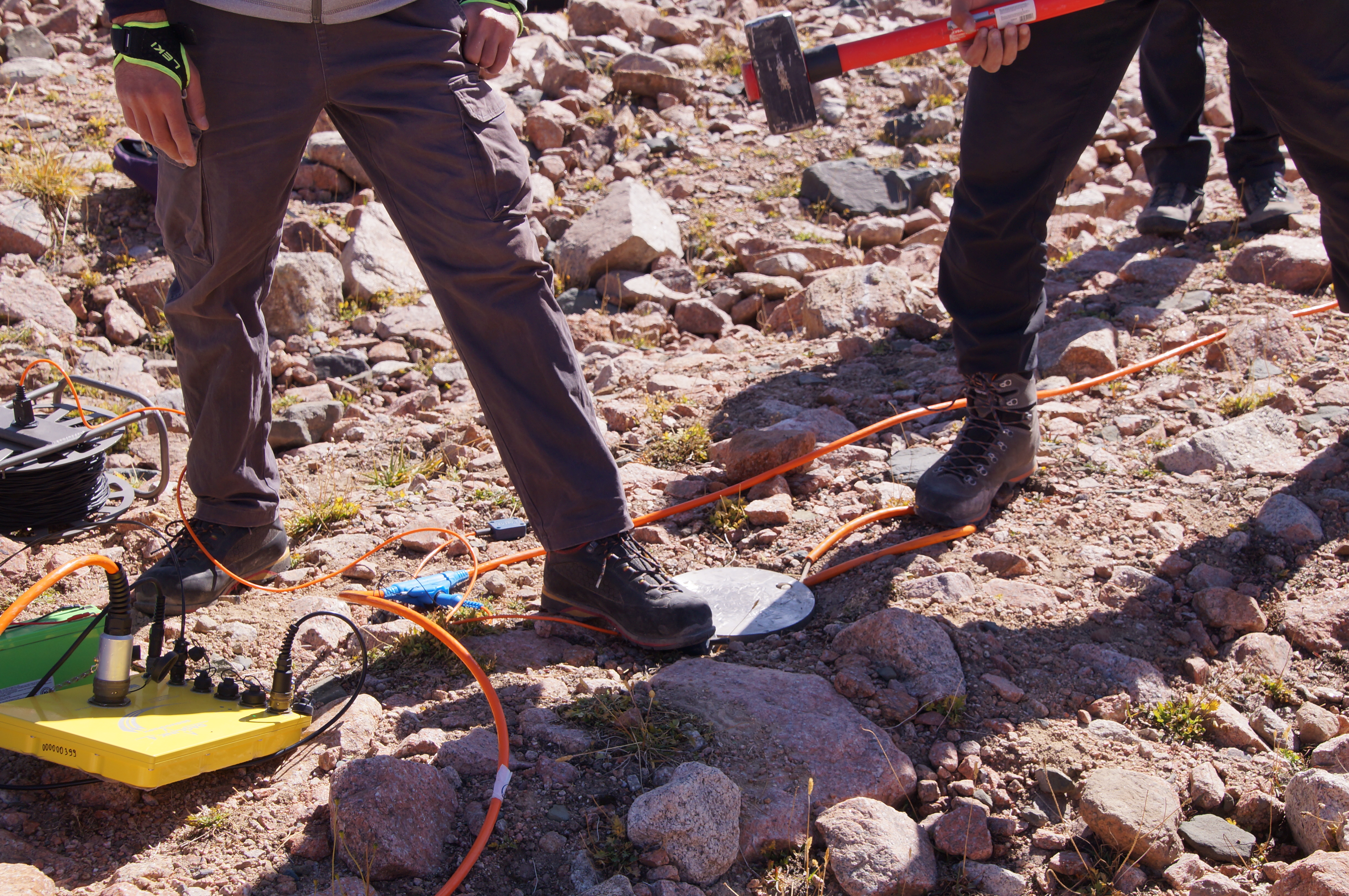
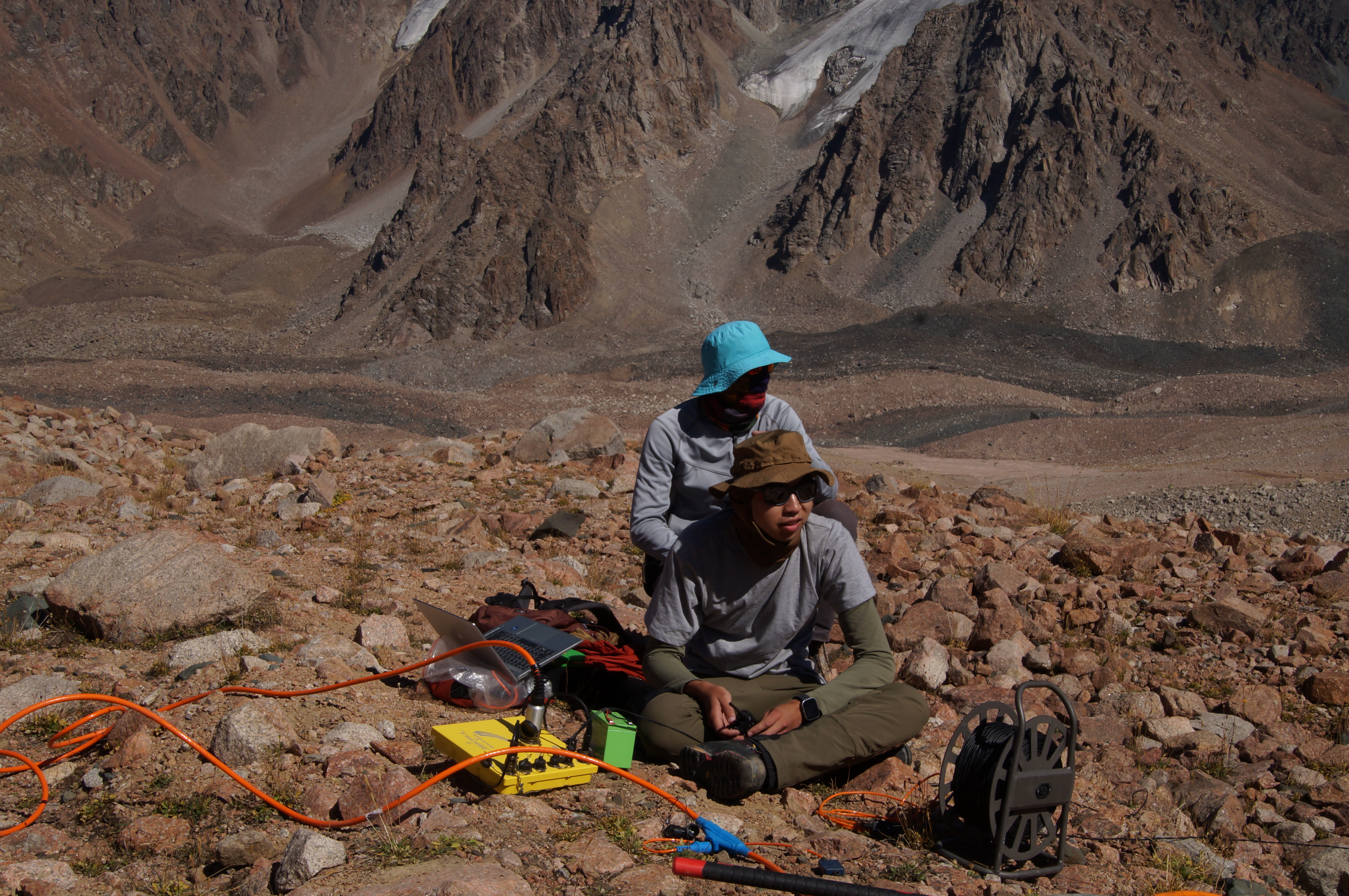
Permafrost studies are also conducted near the station. Seismic and electrical resistivity tomography methods help determine the thickness of the active layer and the volume of buried ice. These data are essential for assessing strategic freshwater reserves, as subsurface ice responds differently to climate change than exposed glaciers and may continue to contribute to runoff in the future.
Monitoring activities at Tuyuksu are partially supported by the GEF-UNDP-UNESCO Cryosphere Project. The project has strengthened CARGC’s monitoring network, expanded the geographic scope of observations by including the Bogdanovich Glacier, provided new equipment, and supported the training of young specialists for work in high-mountain conditions.
The collected data helps improve understanding of how the mountain cryosphere responds to climate change, assess glacier-related risks, and develop science-based recommendations for water resources management. These recommendations will inform the development of National Action Plans (NAPs) and the Subregional Joint Action Programme (SJAP).
The regional project “Strengthening the Resilience of Central Asian Countries by Enabling Regional Cooperation to Assess Glacio-Nival Systems to Develop Integrated Methods for Sustainable Development and Adaptation to Climate Change” is implemented by the UNESCO Regional Office in Almaty with financial support from the Global Environment Facility (GEF) through the United Nations Development Programme (UNDP).