 Go Back
Ensuring safe and inclusive cryosphere action: safeguards consultations conducted across Central Asia
Environmental and social safeguards are an important component of project implementation, helping to ensure that climate adaptation measures do not create unintended risks for people or the environment. This is a key step in the GEF–UNDP–UNESCO Cryosphere Project as it advances the development and endorsement of the Subregional Joint Action Programme (SJAP) and National Action Plans (NAPs), as well as the implementation of pilot projects in participating countries. This ensures that project measures are not only effective, but also environmentally responsible and socially inclusive
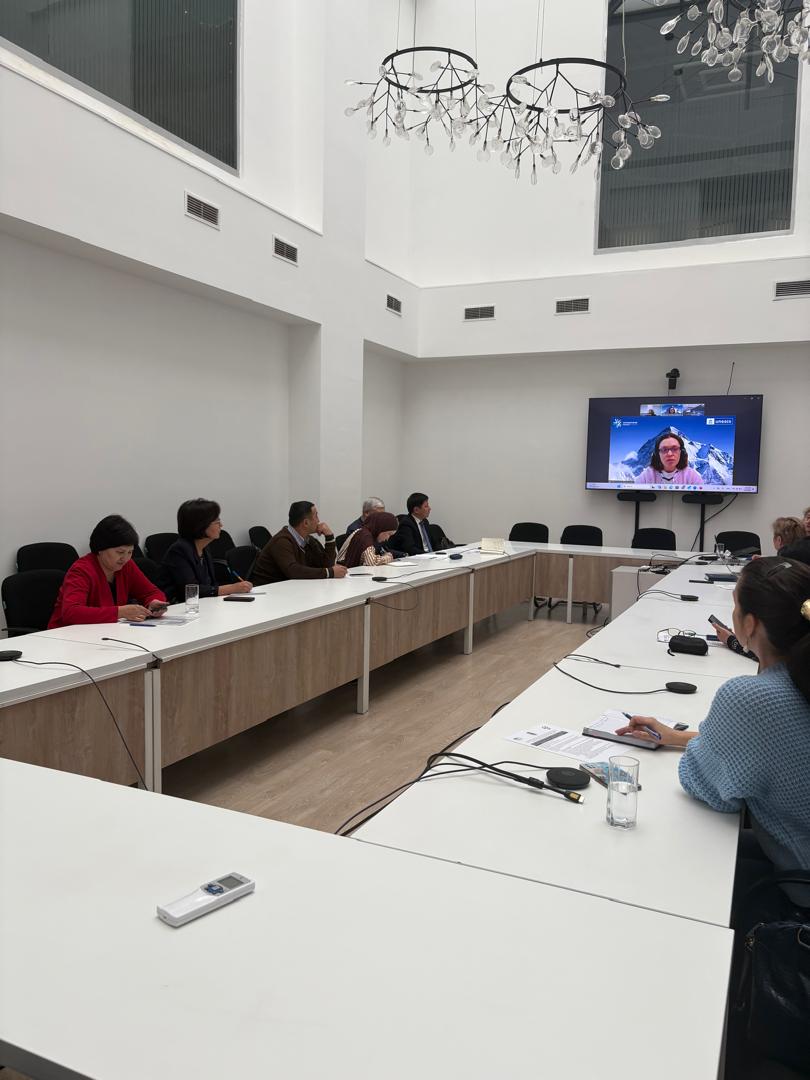
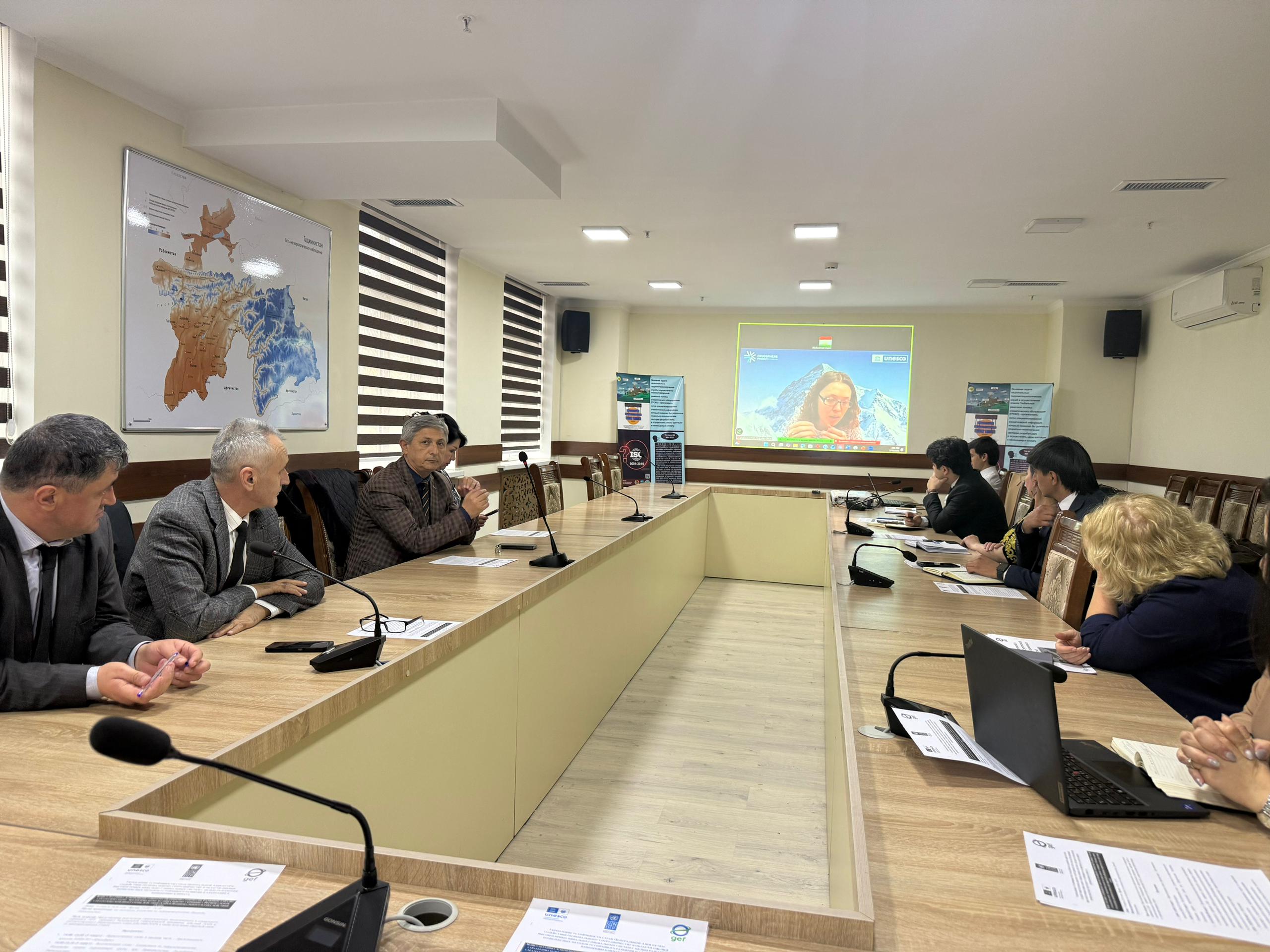
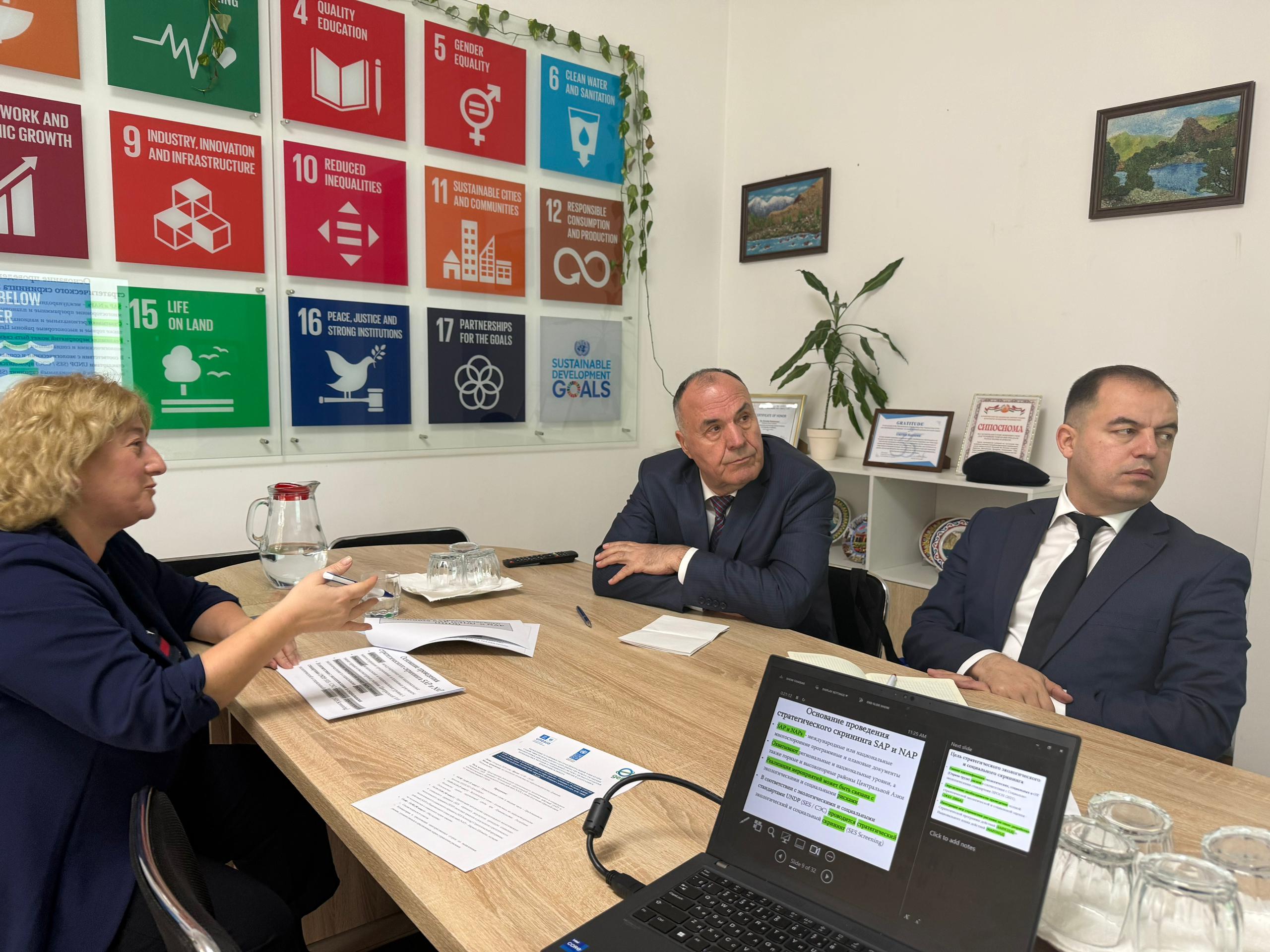
In this context, the GEF–UNDP–UNESCO Cryosphere Project conducted a series of stakeholder consultations across Central Asian countries to support the integration of these considerations into planned activities. The consultations brought together representatives of government agencies, scientific institutions, and project partners in Kazakhstan, Kyrgyzstan, Tajikistan, Turkmenistan and Uzbekistan, and were led by Mariam Shotadze, Environmental and Social Safeguards Expert.
The discussions focused on the environmental and social screening of pilot projects, as well as the SJAP and NAPs. Identifying potential risks at an early stage ensures that appropriate mitigation measures are incorporated into project planning and implementation.
According to the screening results, the planned activities — primarily focused on research, monitoring, and capacity development — are associated with low to moderate environmental and social risks. These include occupational health and safety considerations during fieldwork in remote high-mountain areas, the protection of fragile ecosystems, and the need to ensure inclusive stakeholder engagement, including gender balance and adherence to the UN principle of “leaving no one behind”.
The consultations provided an opportunity for national stakeholders to review and validate the findings, as well as to contribute feedback on proposed risk management measures. This participatory process helped align the assessment with national contexts and strengthen coordination between institutions involved in cryosphere monitoring and climate adaptation.
As a next step, the agreed mitigation measures will be integrated into the implementation of pilot activities and the further development of the SAP and NAP documents. Given the low to moderate level of identified risks, no full-scale environmental and social impact assessments are required, and standard low-cost risk management measures will be applied.
This process contributes to ensuring that efforts to strengthen glacier monitoring and reduce climate-related risks in Central Asia are implemented in a safe, inclusive and sustainable manner.